
Understanding Fire Alarm Codes
Before designing a fire alarm system, it is important to have a thorough understanding of the fire alarm codes and regulations that govern the installation and operation of these systems. The National Fire Protection Association (NFPA) provides guidelines such as NFPA 72, which outlines the proper design, installation, testing, and maintenance requirements for fire alarm systems.
System Design
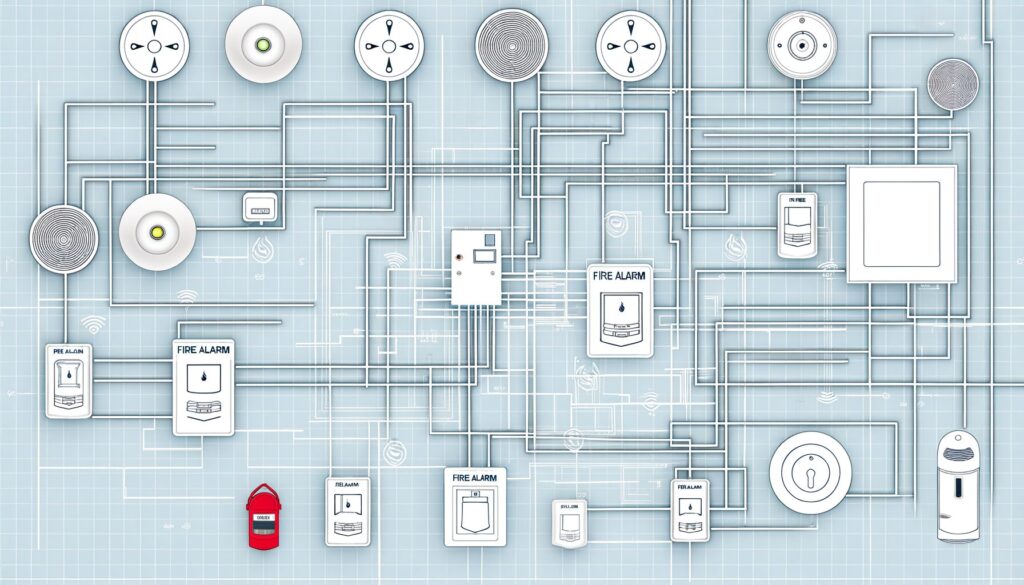
When designing a fire alarm system, consider the layout and size of the building, as well as the specific risks and hazards present in the space. The system should include smoke detectors, heat detectors, alarms, strobe lights, and manual pull stations positioned strategically throughout the building to ensure maximum coverage and early detection of fires.
Power Requirements
Fire alarm systems typically require a reliable power source to ensure they function properly during an emergency. The system should be designed to have backup power in case of a power outage, such as a battery backup or generator, to ensure continuous operation.
Monitoring and Notification
In addition to detecting fires, a fire alarm system must also be able to alert occupants of the building and notify the local fire department of the emergency. This may include audible alarms, visual alarms, and automated notifications sent to monitoring stations for immediate response.
Testing and Maintenance
Regular testing and maintenance of the fire alarm system are essential to ensure its proper functioning in the event of a fire. This includes monthly testing of devices, annual inspections by a qualified technician, and keeping detailed records of all tests and maintenance activities.
Compliance and Documentation
It is crucial to ensure that the fire alarm system design and installation comply with all relevant codes and regulations. Documenting the design process, installation details, test results, and maintenance activities can help demonstrate compliance in case of an inspection or audit.
Conclusion
Designing a code-compliant fire alarm system requires careful planning, attention to detail, and adherence to industry standards and regulations. By following these steps and guidelines, you can create a fire alarm system that provides reliable detection and notification of fires, helping to protect lives and property in the event of an emergency.