
Introduction:
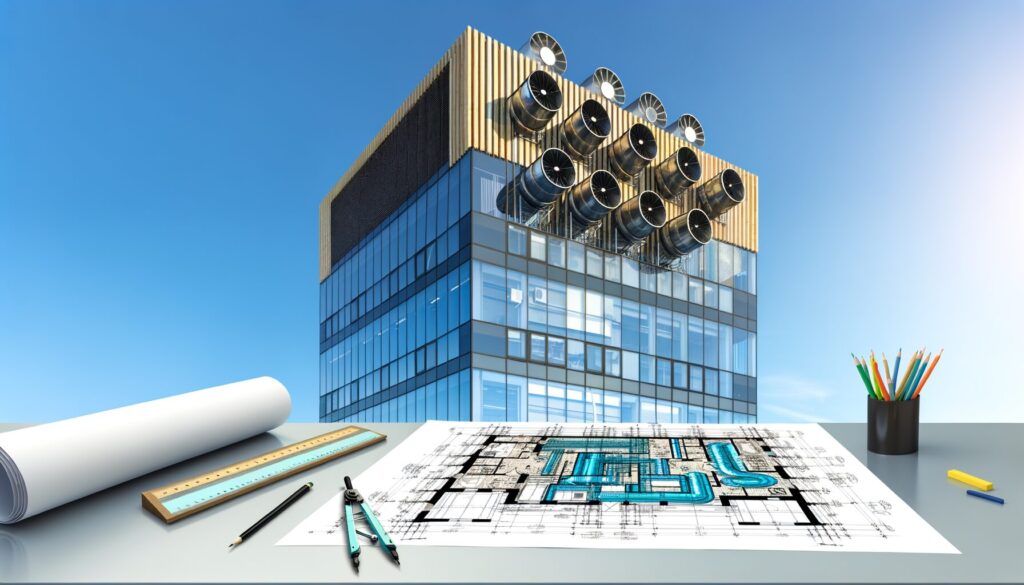
Designing HVAC systems for large commercial buildings requires careful planning and consideration of various factors to ensure optimal performance and energy efficiency. By implementing the right design strategies, building owners can create a comfortable indoor environment while reducing operating costs and environmental impact.
Proper Sizing and Layout:
One of the most important aspects of commercial HVAC design is ensuring that the system is properly sized to meet the specific heating and cooling needs of the building. This involves calculating the total heating and cooling loads based on factors such as building size, insulation, occupancy, and equipment heat output. Additionally, the layout of the HVAC system must be carefully planned to ensure efficient air distribution and circulation throughout the building.
Zoning and Controls:
Implementing a zoning system allows building owners to control the temperature in different areas of the building independently. This can help reduce energy consumption by only heating or cooling the areas that are in use at any given time. Additionally, advanced HVAC controls, such as programmable thermostats and building automation systems, can further optimize energy efficiency by adjusting temperature settings based on occupancy schedules and outdoor weather conditions.
Ventilation and Indoor Air Quality:
Proper ventilation is essential for maintaining good indoor air quality in commercial buildings. In addition to removing pollutants and odors, ventilation systems help control humidity levels and prevent the buildup of harmful contaminants. Designing an HVAC system with adequate ventilation rates and high-quality air filters can help create a healthy and comfortable indoor environment for building occupants.
Energy Efficiency and Sustainability:
Energy efficiency is a key consideration in commercial HVAC design, as heating and cooling systems account for a significant portion of a building’s energy consumption. By incorporating energy-efficient technologies such as high-efficiency HVAC equipment, variable-speed drives, and heat recovery systems, building owners can reduce energy costs and minimize their carbon footprint. Additionally, renewable energy sources such as solar panels or geothermal heat pumps can further enhance the sustainability of the HVAC system.
Maintenance and Serviceability:
Proper maintenance is essential for ensuring the longevity and performance of a commercial HVAC system. Designing the system with easy access points and serviceable components can help streamline maintenance tasks and minimize downtime. Building owners should also establish a regular maintenance schedule and work with qualified HVAC technicians to inspect and service the system on a routine basis.
Conclusion:
Effective HVAC design strategies are crucial for optimizing the performance, energy efficiency, and comfort of large commercial buildings. By carefully considering factors such as system sizing, zoning, ventilation, energy efficiency, and maintenance, building owners can create a sustainable and well-functioning HVAC system that meets the needs of their occupants.