
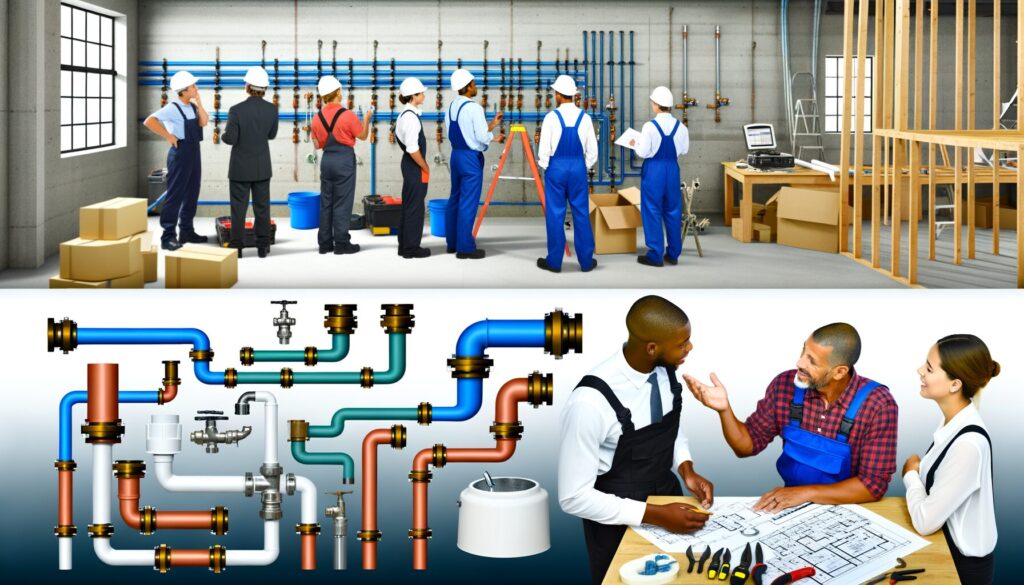
Introduction:
When it comes to new construction projects, especially commercial buildings, proper plumbing is essential for the long-term success and functionality of the space. Commercial plumbing involves more complexity and different considerations than residential plumbing, so it’s important to follow best practices to ensure everything runs smoothly.
Proper Planning and Design:
Before any construction begins, it’s crucial to have a well-thought-out plumbing plan in place. Working with a professional plumber and designer can help ensure that the plumbing system is designed to meet the specific needs of the commercial space, taking into account factors such as water usage, fixture placement, and potential future expansions.
Use of High-Quality Materials:
Investing in high-quality plumbing materials can save time and money in the long run. Using durable pipes and fixtures can help prevent leaks, clogs, and other issues that may arise over time. It’s also important to follow all local building codes and regulations when selecting materials for the plumbing system.
Proper Installation:
Even the best materials won’t perform well if they aren’t installed correctly. Hiring experienced and qualified plumbers to install the plumbing system is crucial for ensuring that everything works as it should. Proper installation also involves testing the system for leaks and other issues before the building is occupied.
Regular Maintenance:
Once the plumbing system is installed, it’s important to schedule regular maintenance to keep everything running smoothly. Regular inspections, cleaning, and repairs can help prevent costly issues down the road and extend the life of the system. It’s also a good idea to train building staff on how to properly care for the plumbing system.
Accessibility:
In a commercial building, accessibility to the plumbing system is key for quick and easy repairs and maintenance. Making sure that pipes, fixtures, and other components are easily accessible can save time and money in the event of a plumbing issue. Proper labeling of shut-off valves and other key components can also help in emergency situations.
Conclusion:
Following best practices for commercial plumbing in new construction projects can help ensure the longevity and functionality of the plumbing system. Proper planning, use of high-quality materials, expert installation, regular maintenance, and accessibility are all key factors in creating a successful plumbing system for commercial buildings.