
Admin

How to Read and Understand Sprinkler Shop Drawings

How to Read and Understand Sprinkler Shop Drawings

How to Read and Understand Sprinkler Shop Drawings Sprinkler shop drawings are the working documents that translate a building’s fire protection design intent into an installable system. For projects in Ontario, these drawings play a central role in coordinating with architectural layouts, structural elements, mechanical/electrical systems, and applicable code requirements—most commonly the Ontario Building Code […]

How to Read and Understand Sprinkler Shop Drawings Read More »

The Power of Precision: Why an Electrical Load List is Your Project’s Most Important Document

Introduction In the field of mechanical, electrical, and plumbing (MEP) engineering, the electrical load list stands as the primary technical foundation for any building project. This document provides a detailed accounting of all electrical components within a facility, ranging from the smallest lighting fixture to the largest industrial HVAC unit. For commercial properties, where power

The Power of Precision: Why an Electrical Load List is Your Project’s Most Important Document Read More »

Sprinkler System Design Mistakes to Avoid

Sprinkler System Design Mistakes to Avoid

Sprinkler System Design Mistakes to Avoid Automatic sprinkler systems are among the most effective life safety features in a building, but their performance depends heavily on sound design and clear coordination across disciplines. In Ontario, sprinkler design is often reviewed alongside building code requirements, NFPA standards, fire department access considerations, and municipal servicing constraints. When

Sprinkler System Design Mistakes to Avoid Read More »

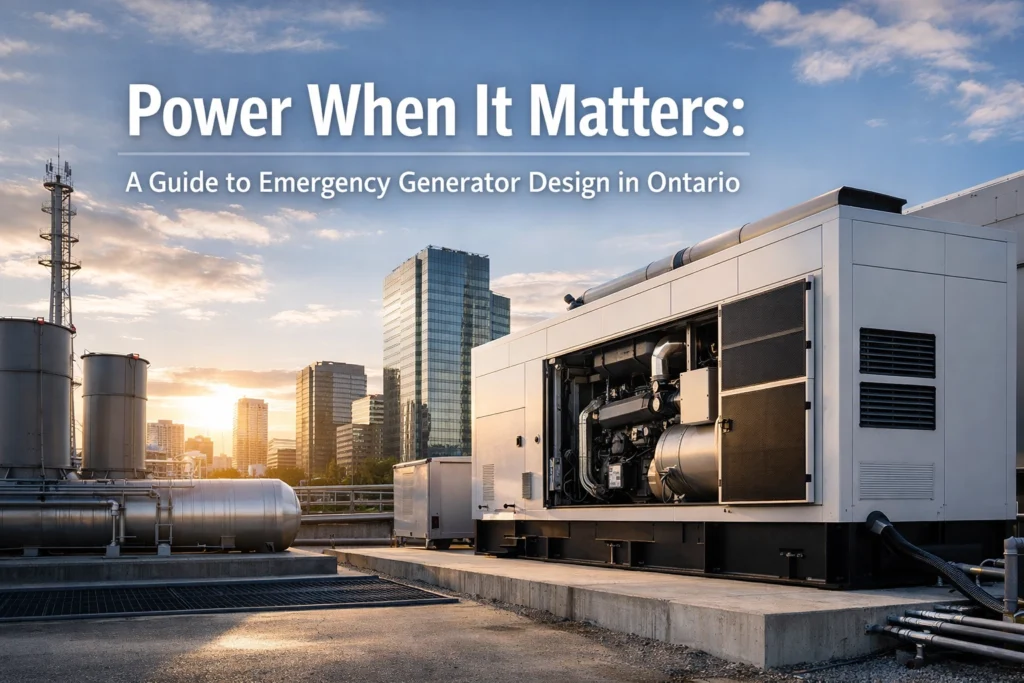
Power When It Matters: A Guide to Emergency Generator Design in Ontario

Introduction In the province of Ontario, emergency power systems are not merely a convenience but a critical component of building infrastructure required by law for specific occupancies. The design and implementation of emergency generator systems serve two primary functions: the preservation of life safety and the maintenance of business continuity. When the primary utility grid

Power When It Matters: A Guide to Emergency Generator Design in Ontario Read More »

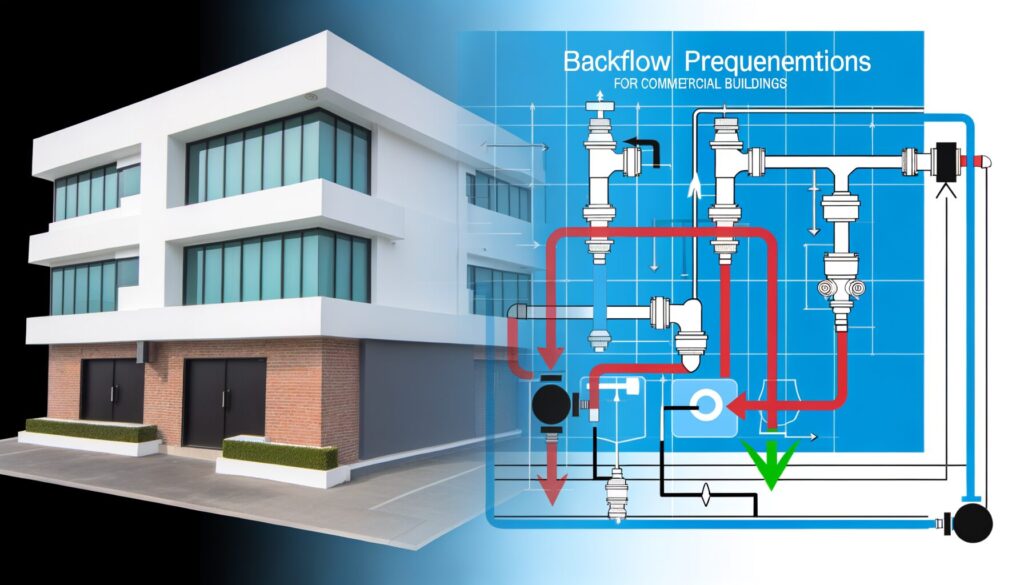
Backflow Prevention Requirements for Commercial Buildings

Backflow Prevention Requirements for Commercial Buildings

Backflow Prevention Requirements for Commercial Buildings In commercial and institutional buildings, plumbing systems must protect the municipal drinking water supply from contamination. Backflow occurs when water flows in the reverse direction—allowing non-potable water, chemicals, or other contaminants to enter the potable system. In Ontario, backflow prevention is managed through a combination of municipal by-laws, the

Backflow Prevention Requirements for Commercial Buildings Read More »

Plumbing Code Violations to Avoid in Residential Projects

Plumbing Code Violations to Avoid in Residential Projects

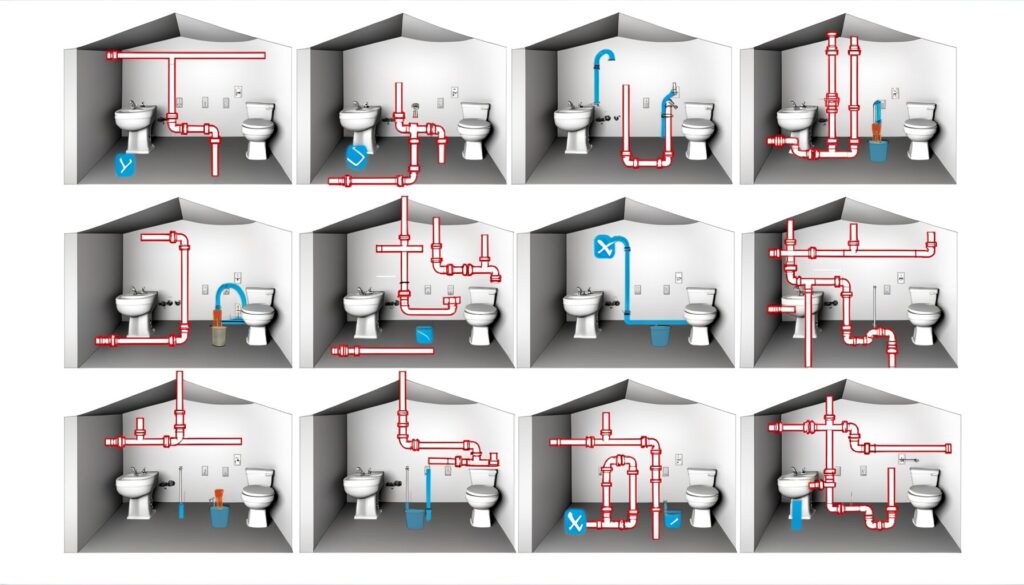
Plumbing Code Violations to Avoid in Residential Projects Plumbing deficiencies are among the most common triggers for inspection delays, costly rework, and occupant complaints in residential construction and renovations. In Ontario, residential plumbing must comply with the Ontario Building Code (OBC) and applicable referenced standards, and it must also integrate properly with architectural intent and

Plumbing Code Violations to Avoid in Residential Projects Read More »

Designing Ventilation Systems for Commercial Kitchens

Designing Ventilation Systems for Commercial Kitchens

Designing Ventilation Systems for Commercial Kitchens Commercial kitchens place some of the most demanding loads on a building’s mechanical systems. Heat, grease-laden vapours, smoke, combustion products, and odours must be captured and exhausted reliably—without creating uncomfortable dining spaces, negative pressure issues, or excessive energy use. In Ontario, kitchen ventilation design must also align with applicable

Designing Ventilation Systems for Commercial Kitchens Read More »

HVAC Load Calculation for Residential Spaces

HVAC Load Calculation for Residential Spaces

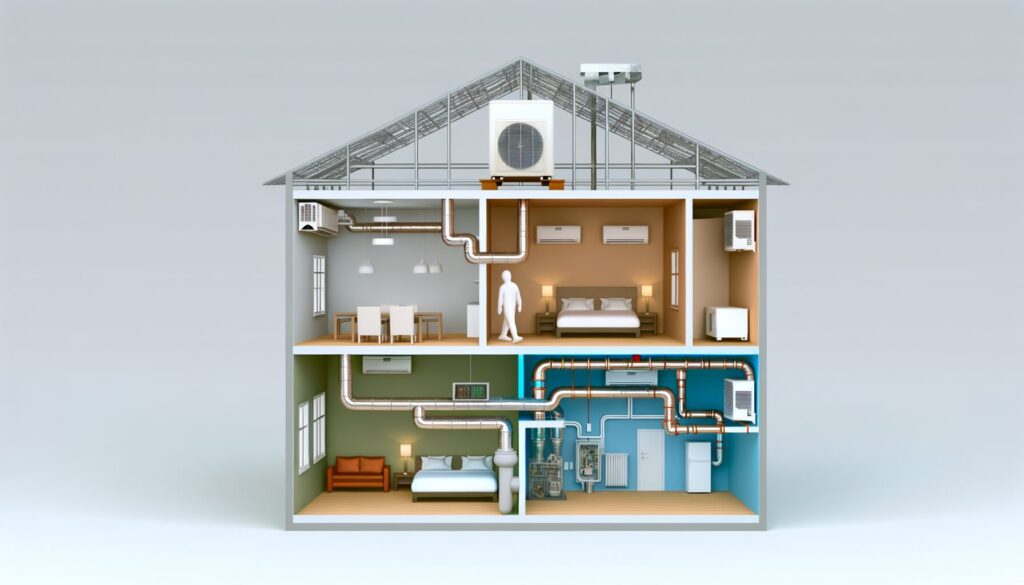
HVAC Load Calculation for Residential Spaces Choosing heating and cooling equipment for a home is not simply a matter of square footage or matching what was installed previously. In Ontario’s climate—where winter design temperatures can be severe and summer humidity can be significant—residential HVAC performance depends on a disciplined load calculation that considers the building

HVAC Load Calculation for Residential Spaces Read More »

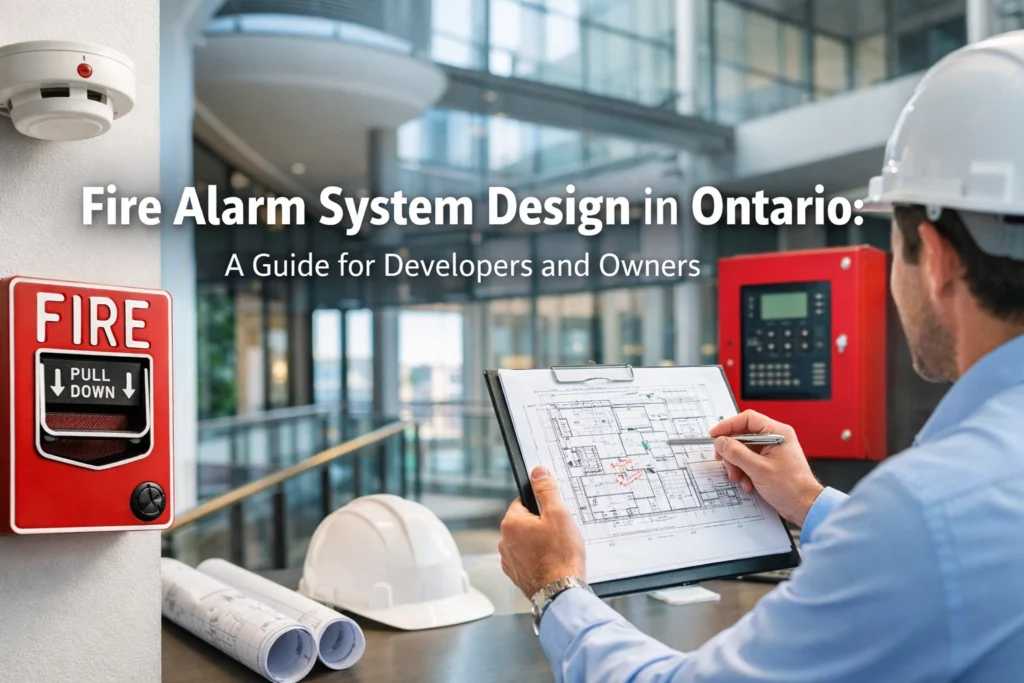
Fire Alarm System Design in Ontario: A Guide for Developers and Owners

Introduction Fire alarm system design represents a critical component of building safety and code compliance in Ontario. For developers, building owners, and general contractors, understanding the regulatory requirements and design considerations can prevent costly delays, failed inspections, and operational issues. This guide examines the essential aspects of fire alarm system design within Ontario's regulatory framework,

Fire Alarm System Design in Ontario: A Guide for Developers and Owners Read More »

Addressable vs Conventional Fire Alarm Systems

Addressable vs Conventional Fire Alarm Systems

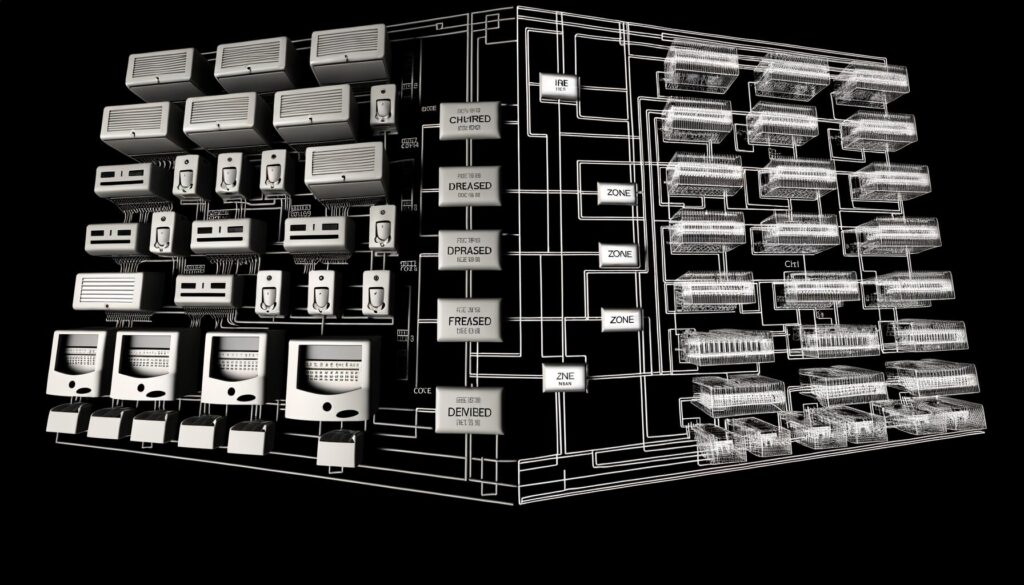
Addressable vs. Conventional Fire Alarm Systems: Key Differences for Ontario Projects Selecting the right fire alarm system is a foundational decision in the life-safety design of any building. Whether you are planning a new development, renovating an existing facility, or upgrading aging equipment, the choice between an addressable and a conventional (zone-based) fire alarm system

Addressable vs Conventional Fire Alarm Systems Read More »