
Introduction
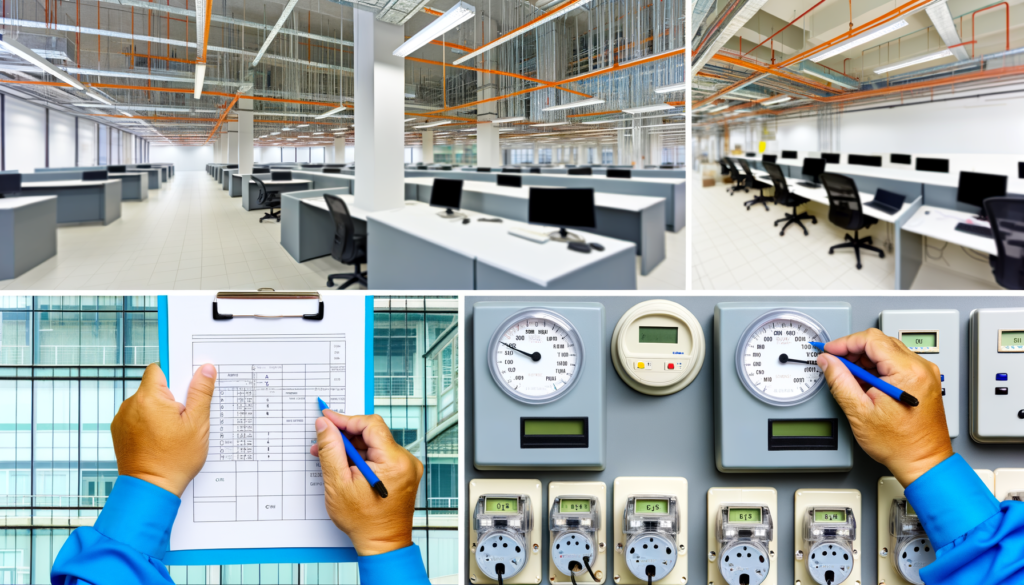
Commercial building owners and managers are always looking for ways to improve energy efficiency and reduce operating costs. One way to achieve this is by conducting an electrical audit of the building. An electrical audit involves a thorough inspection of the building’s electrical systems to identify any potential issues or areas where energy is being wasted. This article will outline the steps involved in conducting an electrical audit for commercial buildings.
Determine Audit Scope
Before beginning the audit, it is essential to outline the scope of the inspection. This includes identifying which areas of the building will be assessed, such as lighting, HVAC systems, appliances, and electrical outlets. Additionally, determine if any specific regulations or standards need to be followed during the audit.
Inspect Lighting Systems
One of the most energy-intensive aspects of a commercial building is its lighting systems. During the audit, check for outdated or inefficient lighting fixtures and consider replacing them with energy-efficient alternatives, such as LED bulbs. Additionally, ensure that lights are turned off in unoccupied rooms and install motion sensors to automatically turn off lights when not in use.
Evaluate HVAC Systems
Heating, ventilation, and air conditioning (HVAC) systems are another major source of energy consumption in commercial buildings. Inspect HVAC units for leaks, blockages, or outdated components that may be causing them to work inefficiently. Consider upgrading to programmable thermostats or implementing an energy management system to optimize heating and cooling operations.
Assess Appliances and Equipment
Take inventory of all appliances and electrical equipment in the building and assess their energy consumption levels. Look for any outdated or inefficient devices that could be replaced with more energy-efficient models. Additionally, encourage employees to power down or unplug equipment when not in use to reduce standby power consumption.
Review Electrical Outlets and Wiring
Inspect all electrical outlets, switches, and wiring in the building for any signs of damage or wear. Loose connections or faulty wiring can lead to energy wastage and pose a safety hazard. Consider hiring a professional electrician to perform a more in-depth inspection and make any necessary repairs or upgrades.
Document Findings and Implement Recommendations
After completing the audit, document all findings and recommendations in a detailed report. This report should outline the current state of the building’s electrical systems, identify any potential energy-saving opportunities, and provide a roadmap for implementing improvements. Work with building maintenance staff or contractors to address any issues identified during the audit and track progress towards energy efficiency goals.
Conclusion
Conducting an electrical audit for a commercial building is a proactive approach to reducing energy consumption, improving operational efficiency, and cutting costs. By following the steps outlined in this article, building owners and managers can identify areas for improvement, implement energy-saving measures, and create a more sustainable and environmentally friendly workplace.