
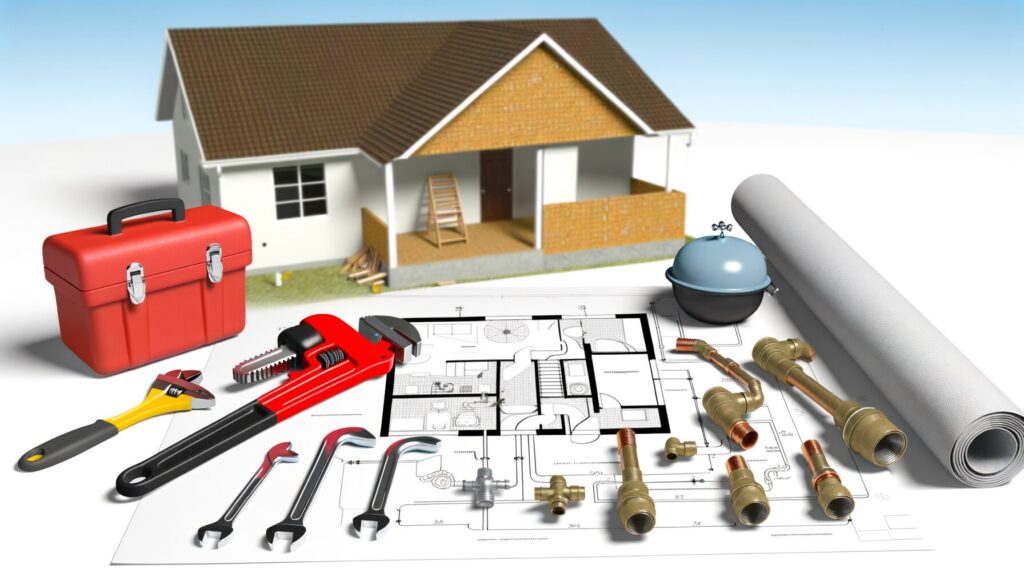
Introduction:
When renovating a residential property, one of the key aspects to consider is the plumbing layout. A well-planned plumbing system is essential for the efficient functioning of your home’s water supply and drainage. In this guide, we will discuss the importance of a proper plumbing layout and provide tips for planning and designing a plumbing system for residential renovations.
Assessing the Existing Plumbing System:
Before starting any renovation project, it is important to assess the existing plumbing system in your home. This will help you identify any potential issues or areas that need improving. Take note of the location of all pipes, fixtures, and drains to determine if there are any problems that need to be addressed.
Planning the Layout:
When planning the layout for your new plumbing system, it is important to consider the location of key fixtures such as sinks, toilets, showers, and washing machines. Make sure to position these fixtures in convenient and practical locations to ensure easy access and functionality.
Consulting with a Professional:
It is always a good idea to consult with a professional plumber or contractor when planning a plumbing layout for a renovation project. They will be able to provide valuable insight and expertise to ensure that your new plumbing system is up to code and functioning properly.
Upgrading Old Pipes:
If you have an older home with outdated plumbing, it may be necessary to upgrade the pipes to ensure optimal performance and water quality. Consider replacing old galvanized pipes with modern materials such as copper or PEX for better durability and efficiency.
Adding New Fixtures:
If you are adding new fixtures or appliances during your renovation, such as a new bathroom or kitchen, make sure to factor in the additional plumbing requirements. Consider the impact on water pressure, drainage, and ventilation to avoid any potential issues down the line.
Testing and Inspecting:
Once the new plumbing system has been installed, it is important to test and inspect the system to ensure that it is functioning properly. Check for any leaks, clogs, or other issues that may arise and address them promptly to prevent any further damage.
Conclusion:
Planning and designing a plumbing layout for residential renovations is a crucial step in ensuring the efficiency and functionality of your home’s water supply and drainage. By considering the layout, fixtures, materials, and drainage requirements, you can create a well-designed plumbing system that meets your needs and enhances the value of your property.