
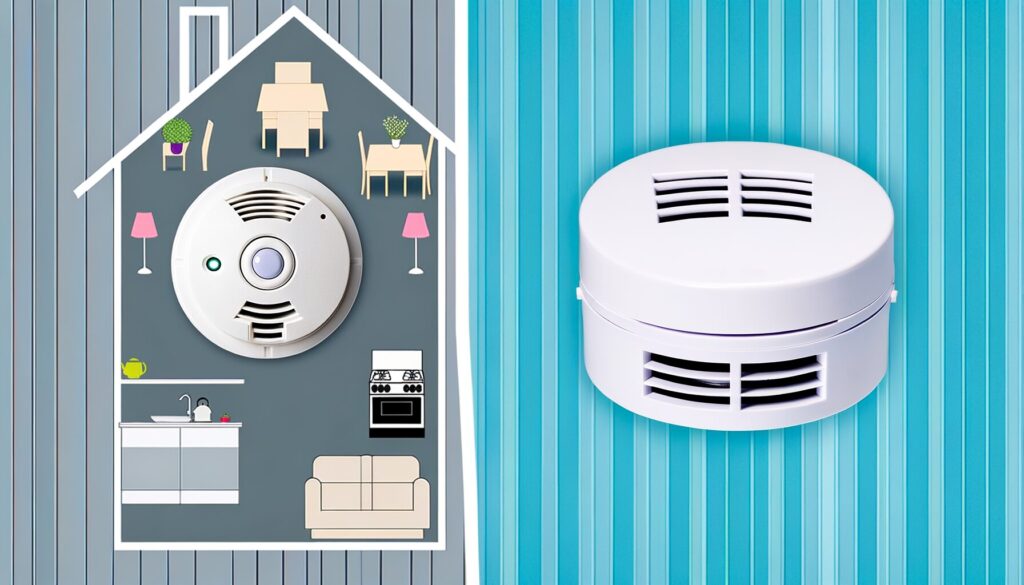
Smoke Detectors vs Heat Detectors: When to Use Each
Choosing the right fire detection devices is not just a product decision—it is a life safety and code compliance decision that affects permitting, commissioning, and long-term building operations. In Ontario, property owners, developers, architects, and contractors must consider the Ontario Building Code (OBC), applicable standards (such as CAN/ULC requirements), the intended occupancy, and the environmental conditions of each space. Two of the most common initiating devices are smoke detectors and heat detectors, but they are not interchangeable. Understanding how they respond, where they perform best, and how they fit into a fire alarm system design can help avoid nuisance alarms and ensure reliable detection when it matters.
How Smoke Detectors Work (and Why They’re Common)
Smoke detectors are designed to respond to the presence of smoke particulate in the air. In many occupancies, they provide earlier warning than heat detection because smoke typically develops before temperatures rise significantly. Smoke detection is often integrated into building fire alarm systems to initiate alarm signals, notify occupants, and in some designs, trigger other functions such as smoke control sequences or door hold-open releases, depending on the building’s system architecture.
Typical Smoke Detector Applications
Smoke detectors are well-suited to areas where early detection is important and where the environment is relatively clean and stable. Typical applications include:
- Public corridors and common areas in multi-unit residential buildings
- Office spaces, meeting rooms, and administrative areas
- Hotel and dormitory corridors and common spaces
- Electrical rooms or IT/server spaces where permitted and where environmental conditions are appropriate
- Elevator lobbies or other locations where smoke detection is required for specific control functions, subject to code and design requirements
Key Advantages of Smoke Detectors
- Earlier detection in many fire scenarios, improving occupant notification and response time
- Widely recognized and commonly required in many building layouts and fire alarm design approaches
- Often compatible with addressable fire alarm systems for precise device identification and troubleshooting
Common Limitations and Nuisance Alarm Risks
Smoke detectors are sensitive devices. In dusty, humid, or aerosol-prone environments, they can generate unwanted alarms that disrupt occupants and create operational issues. Nuisance alarms also increase the risk that occupants will ignore alarms or that building staff will demand reduced sensitivity inappropriately. Locations that frequently cause issues include:
- Kitchens, commercial cooking areas, and spaces near toaster ovens or cooking appliances
- Workshops with airborne particulates
- Parking garages with vehicle exhaust and temperature swings
- Loading docks where particulate and humidity levels fluctuate
- Mechanical rooms with dust, vibration, or intermittent exhaust
How Heat Detectors Work (and Why They’re Not a “Second Best”)
Heat detectors respond to temperature conditions rather than smoke particulate. They typically activate when the air reaches a preset temperature (fixed-temperature heat detectors) and/or when the rate of temperature rise exceeds a threshold (rate-of-rise heat detectors). While heat detection is generally slower than smoke detection for many fire types, it can be a more dependable initiating device in harsh or variable environments.
Typical Heat Detector Applications
Heat detectors are commonly used in spaces where smoke detectors would be prone to false alarms or contamination. Typical applications include:
- Suites or rooms with cooking appliances where smoke detection is not ideal
- Commercial kitchens and areas adjacent to cooking processes (as permitted by code and system design)
- Parking garages and service bays
- Mechanical rooms, boiler rooms, and generator rooms
- Attics or utility spaces with dust or temperature extremes
Key Advantages of Heat Detectors
- More resilient in environments with dust, steam, and airborne contaminants
- Reduced nuisance alarm frequency in spaces that naturally produce aerosols or brief smoke conditions
- Useful where maintenance access is limited and device reliability must remain consistent between service visits
Important Limitations to Recognize
Heat detectors generally activate later in the fire development cycle than smoke detectors. This does not mean they are ineffective—it means they are best used where early smoke detection is impractical or where the primary risk is a rapidly developing fire in an environment that would defeat a smoke detector. When life safety objectives call for earlier notification, designers may rely on smoke detection in adjacent areas, compartmentation, or other system features to ensure appropriate performance.
Choosing the Right Device: Practical Ontario Project Considerations
In Ontario projects, device selection is typically confirmed as part of the code compliance strategy and the fire alarm system design. The goal is to align detection type with the hazard, occupancy, and ambient conditions while meeting the applicable OBC and referenced standards. The following considerations are commonly used during design development and coordination:
1) Space Function and Fire Scenario
If the anticipated fire scenario produces smoke early (for example, smouldering upholstered furnishings in a corridor), smoke detection supports earlier warning. If the space is expected to have frequent non-fire aerosols (for example, cooking vapours), heat detection may be the more reliable initiating device.
2) Environmental Conditions and Contaminants
Steam, dust, and vehicle exhaust can compromise smoke detector performance. Where these conditions are present, heat detection can reduce false alarms and lower the likelihood of device contamination that leads to repeated service calls or premature replacement.
3) System Type and Maintenance Strategy
Many modern buildings use addressable fire alarm systems that can provide device-level reporting and assist with maintenance planning. Even with advanced systems, detectors still require inspection, testing, and maintenance. Selecting a device type that matches the environment helps keep the system stable between scheduled service intervals and supports smoother building operations.
4) Coordination with Architectural and Mechanical Design
Detector placement must be coordinated with ceiling features, bulkheads, diffusers, exhaust points, and room geometry to avoid dead air spaces and performance issues. Designers also consider accessibility for testing and service, especially in high ceilings, atriums, or congested service spaces.
Common Misconceptions That Lead to Issues on Site
- “Smoke detectors are always better.” In a kitchen, workshop, or garage, smoke detectors can create repeated nuisance alarms and undermine system credibility.
- “Heat detectors aren’t for life safety.” Heat detection can be an appropriate life safety solution when used in the right spaces and coordinated with the overall fire protection strategy.
- “Any detector can go anywhere as long as it’s wired.” Device selection and placement are part of a coordinated design that must align with code objectives, system sequences, and commissioning requirements.
Conclusion
Smoke detectors and heat detectors serve different purposes within a coordinated fire alarm and life safety approach. Smoke detection typically provides earlier warning in clean, stable environments, while heat detection offers dependable performance in spaces where aerosols, dust, or temperature fluctuations would cause nuisance alarms or reduce reliability. For Ontario projects, aligning detector selection with occupancy, environmental conditions, and system design requirements helps support code compliance and long-term building operations—an area where engineering consulting can provide clarity and consistency across design, permitting, and commissioning.