

Introduction
In the field of mechanical, electrical, and plumbing (MEP) engineering, the electrical load list stands as the primary technical foundation for any building project. This document provides a detailed accounting of all electrical components within a facility, ranging from the smallest lighting fixture to the largest industrial HVAC unit. For commercial properties, where power demands are significant and varied, an accurate load list is not merely a clerical requirement but a critical safety and financial tool. By systematically documenting every piece of equipment and its corresponding power requirements, engineers can ensure that the electrical infrastructure is robust, efficient, and fully compliant with provincial regulations.
Defining the Electrical Load List
An electrical load list is a comprehensive inventory that identifies every electrical consumer within a building. This document typically includes the equipment description, its location, operating voltage, phase, and full-load amperage (FLA). It also categorizes loads into different types, such as lighting, receptacles, motor loads, and heating elements. The primary purpose of this list is to determine the total connected load and, subsequently, the calculated demand load of the building.
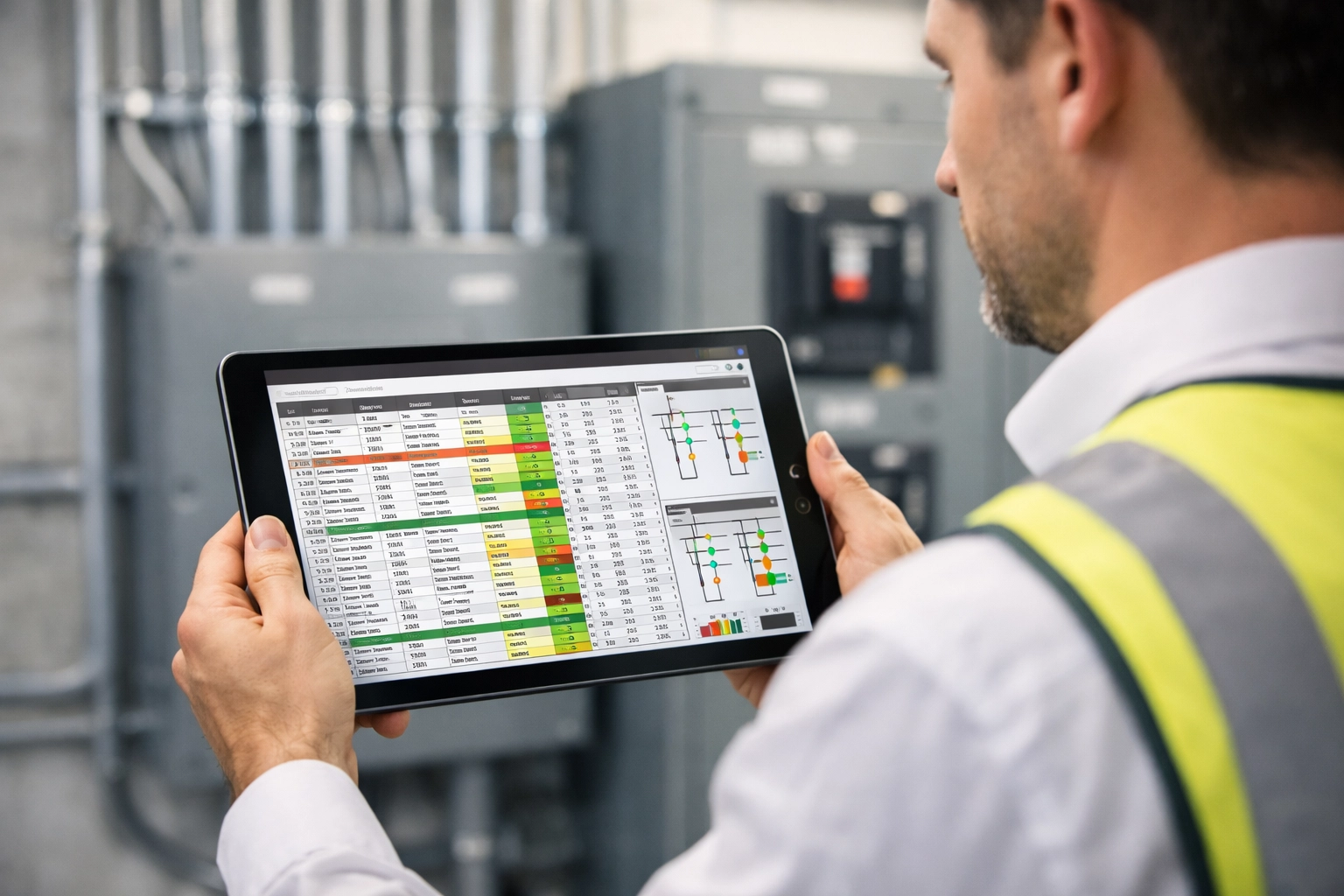
This distinction between connected load and demand load is vital for successful engineering. While the connected load represents the sum of all equipment if everything were running at maximum capacity simultaneously, the demand load accounts for the reality that not all devices operate at once. Professional engineers use diversity factors and demand factors to arrive at a realistic power requirement. This precision allows for the design of a system that is neither dangerously underpowered nor wastefully oversized.
The Foundation of Commercial Electrical Load Calculation
Commercial electrical load calculation requires a rigorous "bottom-up" methodology. The process begins at the individual circuit level, where the requirements for specific equipment: such as a commercial walk-in freezer or a warehouse conveyor system: are identified. These individual loads are then aggregated into sub-panels, which are further consolidated into the main distribution center or the service entrance.
In commercial properties, these calculations must account for a wider variety of specialized equipment than residential settings. For instance, a commercial office building involves high-density data centers and complex climate control systems that require constant power. Conversely, a retail space may prioritize specialized aesthetic lighting and point-of-sale systems. Without a detailed load list, engineers are forced to rely on generalized estimates, which often lead to structural inefficiencies and potential system failures during peak operating hours.
Compliance with the Ontario Electrical Safety Code (OESC)
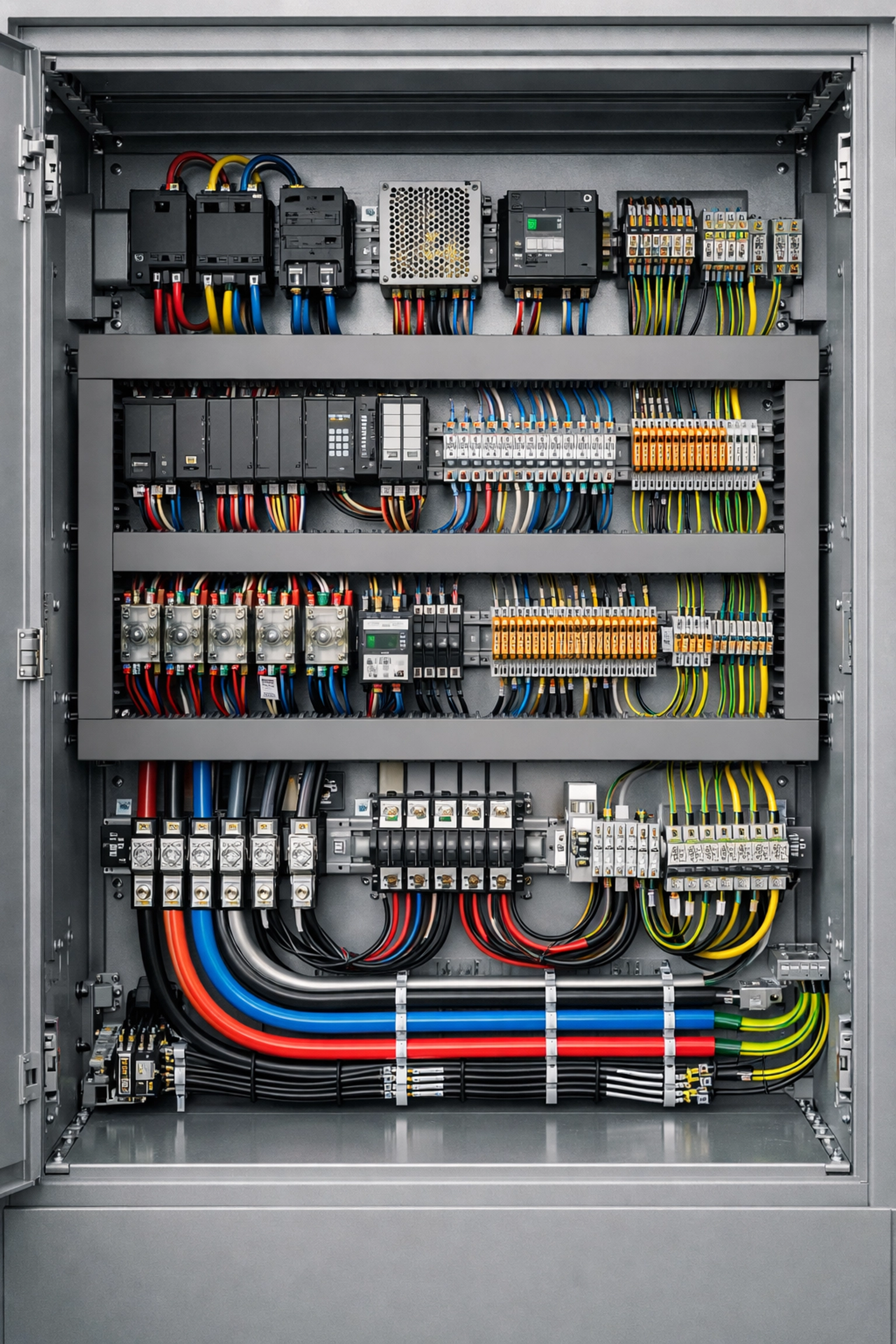
In the province of Ontario, all electrical design and installation must adhere to the Ontario Electrical Safety Code (OESC). This code sets the legal standard for safety and performance in the province. A central requirement of the OESC is the demonstration that the electrical service and its distribution components are appropriately sized for the intended use.
Engineers at FutureGen Consulting Inc. utilize the load list as the primary evidence of OESC compliance. Section 8 of the OESC specifically outlines the methods for calculating circuit loading and demand factors. Failure to provide an accurate load list can lead to significant hurdles during the permitting and inspection process. The Electrical Safety Authority (ESA) requires clear documentation to verify that a building’s electrical system will not be subject to chronic overloading, which is a primary cause of electrical fires and equipment degradation.
The Financial Risks of Over-Sizing Systems
A common misconception in construction is that "more is better" regarding electrical capacity. However, over-sizing an electrical system leads to substantial unnecessary capital expenditures. When an electrical load calculation for commercial properties is inaccurately inflated, every downstream component must be larger than necessary. This includes larger transformers, thicker copper or aluminum wiring, wider conduits, and higher-capacity circuit breakers.
The cost difference between a 400-amp service and a 600-amp service can be thousands of dollars in materials and labor alone. Furthermore, many utility providers in Ontario charge commercial customers based on their peak demand or the capacity reserved for them on the grid. An oversized system may result in higher monthly utility premiums for capacity that the building never actually utilizes. Precision in the load list ensures that the budget is allocated efficiently, providing sufficient power without wasting resources.
The Safety Hazards of Under-Sizing Systems
While over-sizing is a financial drain, under-sizing an electrical system is a critical safety hazard. If a commercial electrical load calculation fails to account for all equipment, the resulting infrastructure will be prone to frequent circuit breaker trips and "brownouts." Chronic overloading generates excessive heat within conductors and terminations, which degrades insulation over time and significantly increases the risk of electrical fires.
Furthermore, under-sized systems lead to project delays and increased long-term costs. If an inspector determines that the installed service is insufficient for the building's load, the project may be halted until the service is upgraded. This often requires tearing out recently installed equipment and renegotiating with the local utility for a larger service drop, leading to expensive "change orders" and missed occupancy deadlines. A precise load list at the design phase serves as an insurance policy against these preventable complications.

Sector-Specific Applications: Restaurants, Warehouses, and Multi-Residential
Different sectors present unique challenges for electrical load calculations. FutureGen Consulting Inc. applies specialized expertise to various project types to ensure accuracy:
- Restaurants: Commercial kitchens are among the most power-intensive environments. A load list for a restaurant must account for high-voltage ovens, heavy-duty refrigeration, specialized ventilation hoods, and sanitization equipment. These loads often have high "in-rush" currents that must be managed to prevent flickering lights or equipment resets.
- Warehouses: Modern warehouses often transition toward automation. The load list must include not only high-bay LED lighting and HVAC but also charging stations for electric forklifts and power for automated conveyor systems. These industrial loads require specific considerations for three-phase power and harmonic distortion.
- Multi-Residential Buildings: In apartment complexes and condominiums, the electrical load list must balance individual unit requirements with common area loads such as elevators, emergency fire pumps, and, increasingly, Electric Vehicle (EV) charging infrastructure. FutureGen Consulting Inc. uses sophisticated load-sharing calculations to integrate these high-demand components without necessitating an overhaul of the local grid connection.
Scalability and Future-Proofing for Commercial Properties
A well-documented electrical load list is not a static document; it serves as a roadmap for future expansion. Commercial properties frequently undergo renovations or "tenant fit-outs." When a new tenant moves into a retail shell or an office space, the existing load list provides the baseline for what the current system can handle.

By maintaining an accurate record of current consumption, property owners can determine if the existing panels have the "spare capacity" to accommodate new equipment. If the initial design was performed with precision, it often includes a calculated percentage of room for growth. This foresight allows businesses to scale their operations without the need for a complete service upgrade, saving time and capital during future transitions.
The Role of Professional MEP Engineering
Creating an electrical load list is a technical task that requires a deep understanding of physics, electrical theory, and local building codes. Professional MEP engineers at FutureGen Consulting Inc. utilize specialized software to model electrical behavior and ensure that every calculation is verified. This professional oversight minimizes human error and provides a level of detail that general contractors or laypersons cannot typically produce.
The engineering process involves reviewing equipment manufacturer data sheets to find exact electrical specifications. It also involves coordinating with mechanical engineers to ensure that the power requirements for boilers, chillers, and pumps are accurately reflected. This interdisciplinary coordination is what makes the load list the "most important document" on a project, as it bridges the gap between the mechanical needs of the building and the electrical infrastructure required to support them.
Conclusion
The electrical load list is the cornerstone of safe and efficient commercial building design. It serves as the primary defense against the financial waste of over-sizing and the life-safety risks of under-sizing. By adhering to the standards set by the Ontario Electrical Safety Code and utilizing rigorous calculation methods, project stakeholders can ensure their facilities are both reliable and compliant.
For developers, architects, and business owners, investing in a professional commercial electrical load calculation is a vital step in project planning. Whether the project involves a high-traffic restaurant, a massive logistics warehouse, or a complex multi-residential development, the precision of the electrical documentation will directly influence the project's long-term success. It is recommended that project leads engage with experienced MEP consultants early in the design phase to establish an accurate load list, thereby securing the foundation for all subsequent construction activities.
For more information on MEP engineering services and electrical design, visit FutureGen Consulting Inc..