
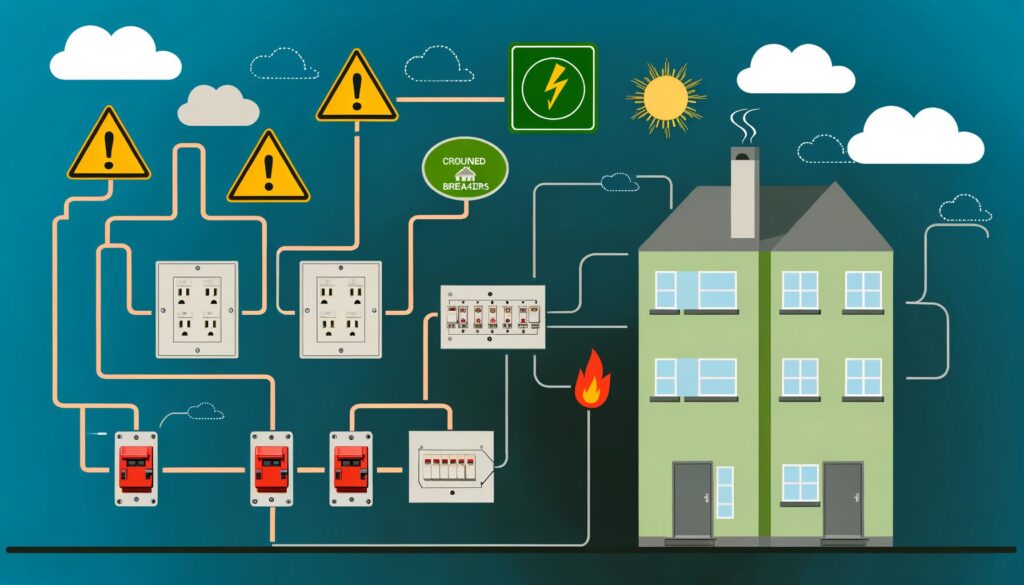
Why Electrical Safety Matters in Multi-Unit Buildings
Multi-unit residential buildings—such as condominiums, purpose-built rentals, townhomes with shared services, and mixed-use developments—present distinct electrical safety challenges. They combine high occupant density, complex distribution systems, shared life safety equipment, and a broad range of electrical loads that evolve over time. In Ontario, electrical safety is not only a best practice; it is a compliance requirement governed by legislation, codes, and oversight from the electrical safety authority.
For property owners, developers, architects, and contractors, meeting electrical safety requirements means more than passing an initial inspection. It involves coordinated design, code-conforming installation, robust documentation, and ongoing maintenance to reduce fire risk, prevent shock hazards, and ensure critical systems operate reliably during emergencies.
Core Regulatory Framework in Ontario
Electrical work in Ontario is primarily governed by the Ontario Electrical Safety Code (OESC), adopted under provincial regulation and enforced through permitting and inspection. In parallel, multi-unit buildings are also shaped by the Ontario Building Code (OBC), which addresses life safety systems, fire separations, and certain emergency power requirements. Where systems intersect—such as fire alarm interfaces, emergency lighting, and elevators—design teams must ensure consistent coordination and clear delineation of responsibilities.
Key implications for project teams include:
- Electrical installations generally require permits and inspection for new construction, renovations, service upgrades, and many types of alterations.
- Equipment selection, conductor sizing, overcurrent protection, grounding, bonding, and fault protection must conform to code requirements and manufacturer instructions.
- Documentation, test results, and as-built information are essential for approvals, turnover, and future maintenance.
Design and Installation Requirements That Commonly Drive Compliance
Service Capacity, Load Calculations, and Future-Proofing
Multi-unit buildings can experience rapid load growth due to electric vehicle (EV) charging, suite air conditioning, electrification of space and water heating, and increasing telecom and amenity demands. Electrical safety begins with accurate load calculations and a service/distribution system that can support both current and anticipated loads without overloading feeders, panels, or busways.
Common engineering considerations include transformer sizing, main switchgear ratings, spare capacity planning, and distribution pathways that allow future additions without unsafe “workarounds” or excessive reliance on temporary solutions.
Overcurrent Protection, Coordination, and Arc Fault Risk
Protective devices (breakers, fuses, relays) must be appropriately rated and applied to protect conductors and equipment from overloads and short circuits. In larger multi-unit buildings, designers may also consider selective coordination to minimize service disruption when a fault occurs. Improper coordination can lead to nuisance tripping or, conversely, clearing delays that increase equipment damage and arc flash energy.
While arc flash studies are most often associated with industrial facilities, multi-unit buildings with significant electrical rooms, switchgear, or large motor loads can benefit from a formal evaluation of incident energy and labeling practices, particularly where building staff may be exposed during maintenance activities.
Grounding and Bonding: A Foundational Safety Requirement
Effective grounding and bonding helps ensure protective devices operate as intended during fault conditions and reduces touch potential hazards. In multi-unit buildings, bonding continuity becomes especially important because services are distributed across multiple electrical rooms, meter banks, and sub-panels.
Typical risk areas include metallic piping interfaces, service equipment bonding, communication and cable pathways, and any retrofit work where older bonding methods may not meet current requirements. Verifying bonding integrity is an important safety measure during renovations and service upgrades.
Suite Metering, Common Area Power, and Electrical Rooms
Multi-unit buildings often separate tenant and common services through suite metering, meter stacks, or centralized metering configurations. Safety requirements extend to working clearances, ventilation for electrical rooms, access control, labeling, and identification of feeders and disconnecting means. Clear, consistent circuit identification reduces the likelihood of incorrect isolation during maintenance and improves response time during emergencies.
Electrical rooms should be treated as critical infrastructure spaces, with careful coordination for architectural layouts, fire ratings, and pathways for risers and distribution. Overcrowding or obstructed clearances is a frequent deficiency found during field reviews and inspections.
Life Safety and Emergency Systems in Multi-Unit Buildings
Emergency Lighting and Exit Sign Power
Emergency lighting and exit signage must operate during power interruptions to support safe egress. Depending on the building design, emergency power may be provided through battery units, central inverters, or generators. Each approach brings different testing, maintenance, and reliability considerations. Designers and contractors must ensure appropriate circuiting, separation where required, and clear documentation for testing routines.
Fire Alarm Interfaces and Essential Electrical Needs
Fire alarm systems interact with other electrical systems such as smoke control, hold-open devices, elevator recall, and emergency power signals. Coordination among disciplines is critical to ensure interfaces are correctly wired, supervised where required, and tested as an integrated system. Deficiencies are often found not in the equipment itself, but in the interface wiring, control logic, or incomplete documentation at turnover.
Generators, Transfer Switches, and Emergency Distribution
Where generators are provided, safety requirements include proper installation of transfer equipment, grounding and bonding arrangements, fuel and ventilation considerations, and clear separation of emergency and non-emergency loads. Transfer switch configuration must align with the intended life safety and legally required loads, and commissioning should confirm starting performance, load acceptance, and stable operation under expected conditions.
Renovations, Retrofits, and Ongoing Building Operations
Electrical safety is frequently challenged during renovations: suites are upgraded, amenity spaces are reconfigured, EV charging is added, and building automation systems expand. Each change can affect load profiles, feeder utilization, fault levels, and protective device settings. A safe approach includes verifying available capacity, maintaining code-compliant protection, and ensuring distribution changes are properly permitted and inspected.
For existing buildings, common operational safety practices include:
- Maintaining accurate single-line diagrams and panel schedules, updated after alterations.
- Periodic inspection of electrical rooms to ensure required working clearances and housekeeping.
- Thermal scanning (infrared) of switchgear and distribution components to identify overheating connections.
- Routine testing of emergency lighting, inverters, generators, and transfer switches per applicable requirements and manufacturer guidance.
- Implementing lockout/tagout procedures for building staff and contractors accessing electrical equipment.
EV Charging and New Loads: Safety Considerations for Multi-Unit Buildings
EV charging is one of the most impactful new electrical loads for multi-unit residential properties. Beyond capacity planning, safety requirements relate to circuit protection, demand management strategies, feeder and panel loading, equipment location, and protection from physical damage in parking facilities. A well-designed EV charging strategy can avoid unsafe ad-hoc installations and reduce the likelihood of overheating conductors, overloaded panels, and nuisance tripping.
Commissioning, Documentation, and Closeout
Electrical safety is strengthened when projects include structured verification and clear turnover packages. Testing and commissioning should confirm that protective devices, emergency systems, and controls operate as designed. Closeout documentation—such as as-built drawings, equipment schedules, test records, and operating instructions—supports safe maintenance and reduces risk when future contractors work on the system.
Conclusion
Electrical safety in multi-unit buildings depends on code-compliant design, disciplined installation practices, and ongoing operational diligence—particularly as buildings add new loads and systems over time. In Ontario, engaging qualified engineering consulting support can help align electrical design, permitting, field reviews, and commissioning expectations to achieve safe, maintainable, and well-documented electrical systems throughout a building’s lifecycle.