
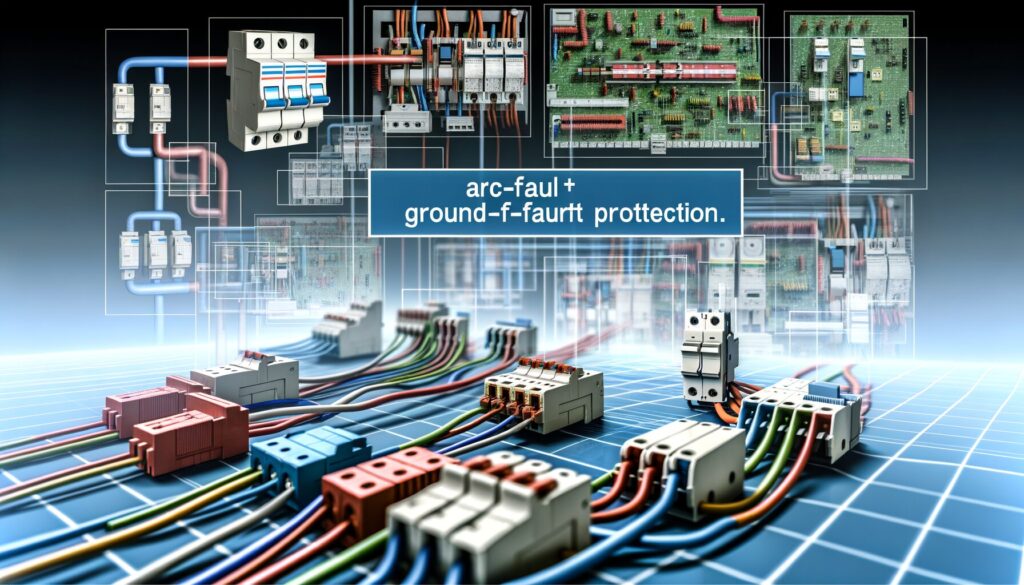
Understanding Arc-Fault & Ground-Fault Protection
Electrical protection devices are often discussed in terms of “code requirements,” but for property owners, developers, architects, and contractors, the bigger picture is risk management. In Ontario, arc-fault and ground-fault protection are key safeguards that reduce the likelihood of electrical fires, electric shock, and costly disruptions during construction, commissioning, and occupancy. Understanding what each device does, where it is required, and how it affects design and coordination can help project teams make informed decisions early—especially on residential, mixed-use, and light commercial developments where receptacle circuits and branch wiring are extensive.
What Is Arc-Fault Protection (AFCI)?
An arc-fault occurs when electricity “jumps” across a gap due to damaged insulation, loose terminations, deteriorated cords, or compromised wiring. This arcing can generate high temperatures without drawing enough current to trip a conventional breaker, creating a fire hazard inside walls, ceilings, and concealed spaces. Arc-Fault Circuit Interrupters (AFCIs) are designed to detect the electrical signature of arcing and interrupt the circuit before conditions escalate.
In practical terms, AFCI protection is most associated with dwelling units and sleeping areas, but it can apply more broadly depending on the circuit type and the space being served. Because AFCIs respond to waveform patterns rather than only overcurrent, they are effective at addressing hazards that traditional thermal-magnetic breakers may not detect.
Common Causes of Arc-Faults
- Loose connections at receptacles, switches, and terminations
- Damaged cables from nails, screws, or abrasion during renovations
- Aging wiring and insulation degradation
- Pinched cords behind furniture or appliances
- Improper splices or unauthorized modifications
What Is Ground-Fault Protection (GFCI/GFI)?
Ground-fault protection focuses on shock prevention. A Ground-Fault Circuit Interrupter (GFCI) monitors the current leaving on the hot conductor and returning on the neutral. If there is an imbalance—indicating current may be leaking to ground through a person, water, or conductive building components—the device trips quickly, typically at a low threshold of leakage current.
GFCI protection is commonly applied where the risk of contact with water, damp conditions, or grounded surfaces is higher. It is important to distinguish between ground-fault protection for people (often via Class A GFCI devices on receptacle circuits) and ground-fault protection for equipment (used on larger services or feeders to reduce fire risk and equipment damage). Each has different trip settings and design implications.
Where Ground-Fault Risks Are Common
- Bathrooms, kitchens, laundry areas, and utility rooms
- Exterior receptacles and rooftop amenity areas
- Garages, parking structures, and carport receptacles
- Mechanical rooms or areas with floor drains and washdown
- Temporary power during construction and fit-outs
AFCI vs. GFCI: Key Differences
Although both are protective devices installed at the breaker or receptacle level, they address different hazards:
- AFCI: Mitigates fire risk caused by arcing faults in wiring and connections.
- GFCI: Mitigates shock risk caused by leakage to ground, especially in wet or conductive environments.
Some locations may require both protections depending on the applicable code provisions and the circuit’s use. In these cases, combination devices (or a coordinated arrangement of breakers/receptacles) may be used. Selecting the right approach affects panel schedules, circuit routing, device selection, and commissioning procedures.
Design and Construction Considerations in Ontario Projects
In Ontario, electrical design and installation must align with the applicable edition of the Ontario Electrical Safety Code (OESC) and the project’s permitting requirements. From a project delivery perspective, arc-fault and ground-fault protection should be addressed early in the electrical design to avoid late-stage changes to panelboards, receptacle layouts, and circuiting.
1) Circuit Planning and Panelboard Coordination
AFCI and GFCI breakers can influence panelboard selection, available space, heat dissipation, and costs. For multi-unit residential and mixed-use projects, coordinating breaker types and circuit allocations helps avoid congested panel schedules and reduces the chance of field substitutions that complicate approvals and testing.
2) Nuisance Tripping and Troubleshooting
While modern devices are significantly improved, nuisance tripping can still occur due to installation issues, shared neutrals, wiring errors, or incompatible equipment. Common contributors include:
- Multi-wire branch circuits without proper handle ties and neutral management
- Neutral-to-ground faults downstream of a GFCI device
- Loose terminations producing arcing signatures detectable by AFCIs
- Certain power electronics (e.g., older motor drives or switching supplies) creating waveform noise
A structured troubleshooting approach—verifying terminations, insulation integrity, neutral isolation, and device compatibility—usually resolves the issue without compromising protection. Proper commissioning and as-built documentation are critical, particularly when turnovers involve multiple trades and phases.
3) Renovations and Tenant Improvements
Renovations often introduce hidden risks: existing wiring conditions may be unknown, device boxes may be overfilled, and older circuits may not meet current protection expectations. When suites are reconfigured or kitchens and bathrooms are upgraded, the scope can trigger rework of branch circuits to incorporate modern protective devices. Early site verification reduces surprises during inspection and avoids re-opening finished walls.
4) Temporary Power and Construction Safety
Construction and fit-out environments frequently rely on temporary distribution, extension cords, and portable equipment—conditions where GFCI protection is particularly important. A coordinated temporary power plan, including proper grounding, cord management, and device testing, helps reduce incidents and downtime on active sites.
Testing, Documentation, and Compliance
Protection devices are only effective when correctly installed and verified. For projects in Ontario, strong documentation helps streamline inspections and supports safe operation after occupancy. Good practice typically includes:
- Clear panel schedules identifying AFCI/GFCI-protected circuits
- Labeling at receptacles where required and appropriate
- Verification of correct polarity, grounding continuity, and neutral isolation
- Functional testing using device test buttons and suitable test instruments
- Recordkeeping to support maintenance teams and future renovations
For property owners and developers, this level of clarity reduces callbacks and improves lifecycle maintainability. For architects and contractors, it improves coordination across disciplines, especially where electrical layouts interface with millwork, plumbing fixtures, rooftop equipment, and amenity spaces.
When to Engage an Electrical Engineer
Arc-fault and ground-fault protection decisions can affect system architecture, load distribution, equipment selection, and the efficiency of the inspection process. Complexities increase in multi-residential buildings, mixed-use developments, retrofit projects with legacy wiring, and sites with extensive exterior or amenity power needs. An engineering review can help confirm code alignment, address constructability, and resolve persistent tripping issues through a disciplined technical assessment.
Understanding the intent and application of arc-fault and ground-fault protection supports safer buildings and smoother project delivery. For Ontario projects, engineering consulting services can provide the technical guidance and documentation needed to align design, installation, and verification requirements across stakeholders.