
Introduction
In the province of Ontario, emergency power systems are not merely a convenience but a critical component of building infrastructure required by law for specific occupancies. The design and implementation of emergency generator systems serve two primary functions: the preservation of life safety and the maintenance of business continuity. When the primary utility grid fails, these systems must activate within seconds to power essential services such as fire alarms, emergency lighting, and elevators. For multi-residential buildings, warehouses, and commercial properties, a well-engineered emergency power design ensures that occupants remain safe and that critical assets are protected from the secondary effects of a power outage.
The Regulatory Framework: OBC and CSA C282
The design of emergency generator systems in Ontario is governed by a strict set of regulations intended to ensure reliability and safety. The Ontario Building Code (OBC) dictates which buildings require emergency power and specifies the duration for which that power must be available. For most high-rise buildings, the OBC requires a minimum of two hours of fuel supply for emergency systems, though this requirement can increase depending on the building's height and use case.
Complementing the Building Code is the CSA C282 standard, titled "Emergency Electrical Power Supply for Buildings." This standard provides the technical requirements for the design, installation, maintenance, and testing of the emergency power supply system. It covers everything from the generator set itself to the transfer switches and the distribution conductors. Adherence to electrical code standards is mandatory for passing inspections conducted by the Electrical Safety Authority (ESA) and municipal building officials.
Critical Loads: Life Safety vs. Business Continuity
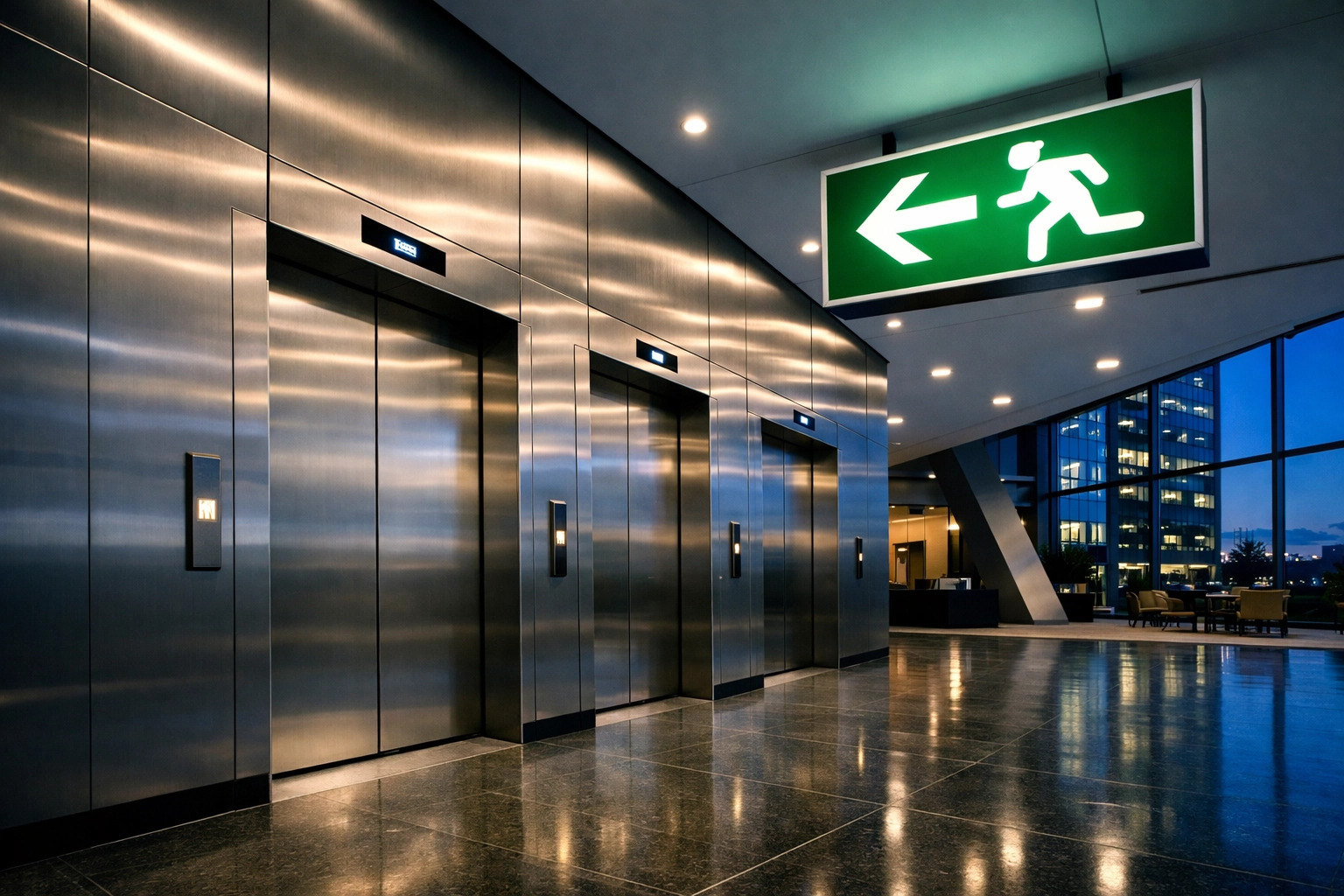
When designing an emergency power system, electrical engineers categorize loads into two main groups: life safety loads and non-life safety (or standby) loads. Life safety systems are those required by the OBC to protect occupants during an evacuation or fire event. These typically include fire alarm systems, emergency lighting, exit signs, fire pumps, and at least one elevator in high-rise buildings. Ensuring these systems are integrated into the fire and life safety design is the highest priority during the engineering phase.
Business continuity loads, while not always mandated by the building code, are essential for the operational viability of a commercial or industrial facility. In a large warehouse, this might include power for refrigeration units to prevent product spoilage or security systems to maintain site integrity. For commercial offices, business continuity often involves powering server rooms and data centers. An effective design separates these loads from life safety circuits to ensure that a fault in a non-essential system does not compromise the power supply to critical safety equipment.
System Sizing for Multi-Residential and Commercial Properties
The sizing of an emergency generator is a complex calculation that involves analyzing the peak demand of all connected loads. For multi-residential buildings ranging from 4 to 40 storeys, the demand on the generator varies significantly based on the number of elevators and the type of heating and ventilation systems in place. FutureGen Consulting Inc. specializes in sizing these systems to ensure they can handle the high "inrush" current required to start large motors, such as those found in fire pumps and elevator traction machines.
In commercial properties and warehouses, the generator must be sized to account for future expansion. It is often more cost-effective to install a slightly larger generator during the initial construction phase than to replace a unit later as the building's power requirements grow. Factors such as altitude, ambient temperature, and the type of fuel (diesel vs. natural gas) also influence the total output capacity of the machine. Diesel generators are frequently chosen for their reliability and quick start times, while natural gas units are favored for their lower emissions and lack of on-site fuel storage requirements.
Electrical Distribution and Transfer Switch Design
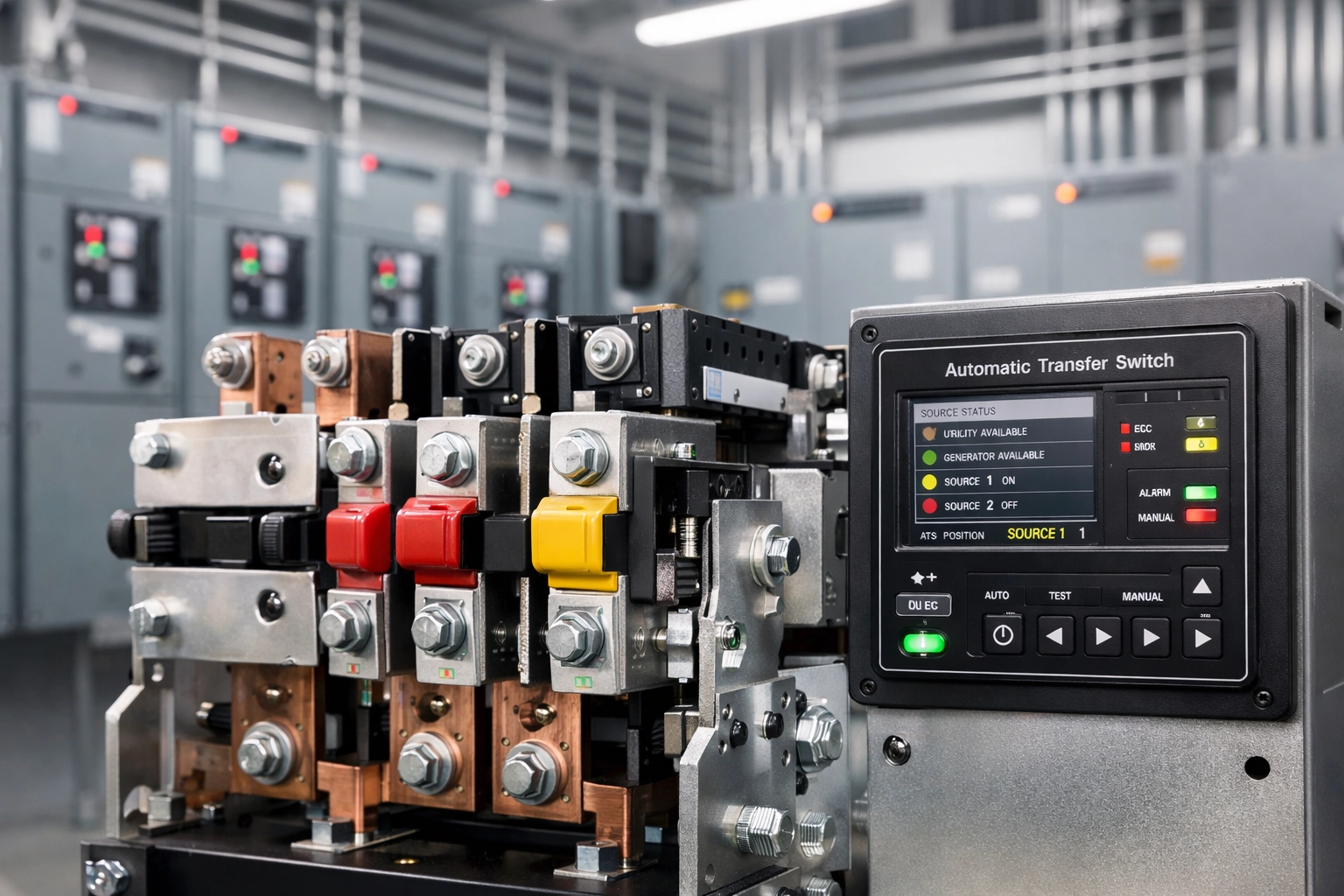
The power distribution services within a building must be configured to automatically transition from utility power to generator power. This is achieved through an Automatic Transfer Switch (ATS). The ATS monitors the incoming utility voltage and, upon detecting a failure or a significant drop in power quality, signals the generator to start. Once the generator reaches the correct voltage and frequency, the ATS switches the load to the emergency source.
For high-reliability applications, designers may utilize multiple transfer switches to isolate different branches of the electrical system. This prevents a single point of failure from disabling the entire building's emergency power. Mechanical interlocks are a mandatory safety feature in these designs, preventing the generator from being connected to the utility grid simultaneously, which could cause a catastrophic backfeed and endanger utility workers.
Site Selection and Environmental Regulations
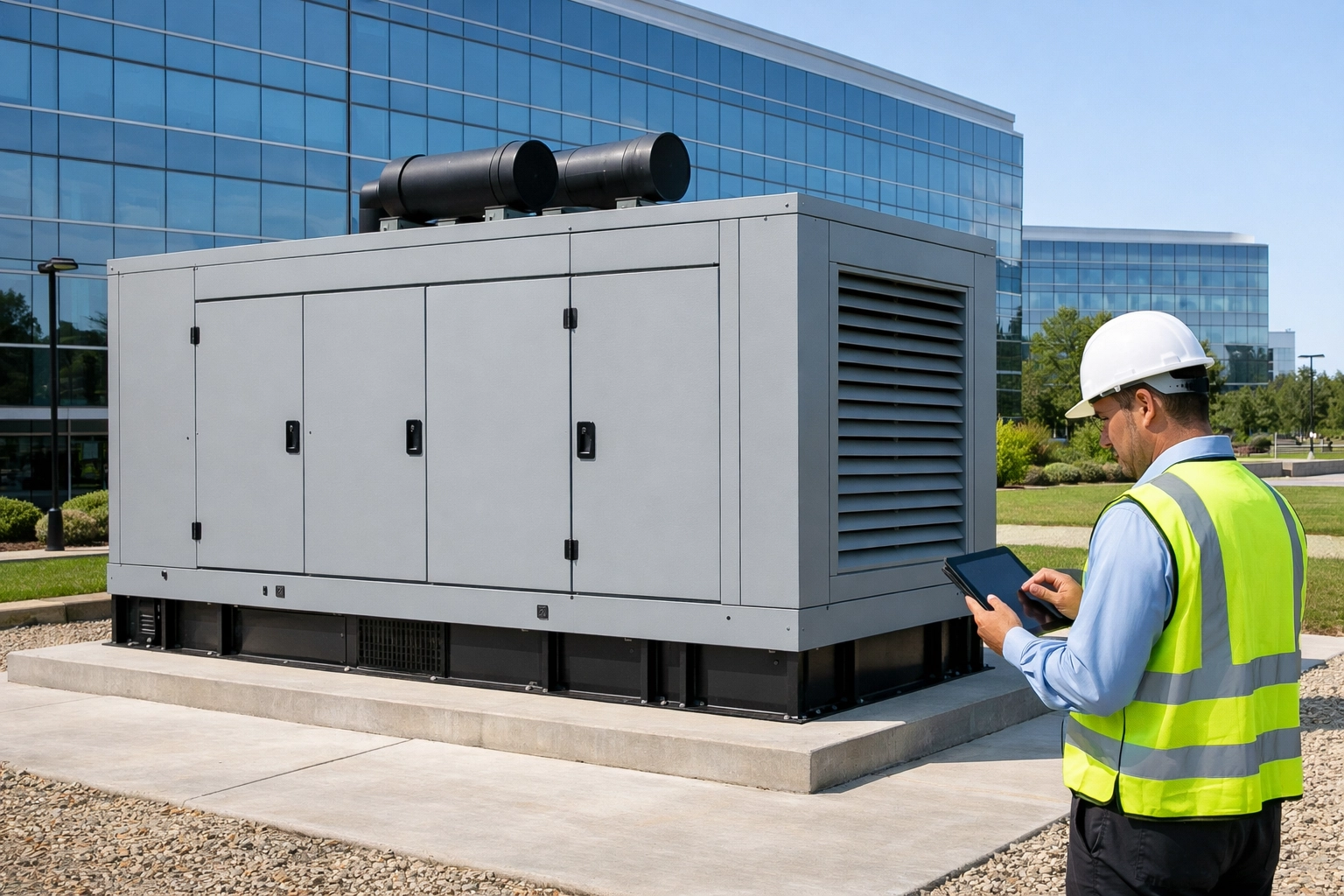
The physical placement of an emergency generator requires careful consideration of both safety and environmental impact. Generators must be located away from overhead power lines and should not be placed underneath windows or near air intakes where exhaust fumes could enter the building. According to Ontario regulations, generators are classified as arcing and sparking devices, requiring a minimum clearance of one meter from natural gas systems and three meters from propane systems.
Environmental compliance is another significant factor in Ontario. The Ministry of the Environment, Conservation and Parks (MECP) requires dispersion modelling for most permanent generator installations to ensure that nitrogen oxide (NOx) emissions do not exceed provincial limits. Large generators, particularly those over 100 kW, may require an Environmental Compliance Approval (ECA) or a registration on the Environmental Activity and Sector Registry (EASR). FutureGen Consulting Inc. assists clients in navigating these permitting processes to ensure the installation remains compliant with all local bylaws and provincial statutes.
Maintenance, Testing, and Inspection Requirements
A generator that is not maintained is an unreliable asset. CSA C282 mandates a rigorous schedule of testing and maintenance to ensure the system will perform when needed. This includes weekly inspections, monthly no-load tests, and an annual load-bank test. The annual test involves connecting the generator to an external load to simulate a full-capacity event, which helps to prevent "wet stacking": a condition where unburnt fuel accumulates in the exhaust system of a diesel engine.
Documentation is a vital part of this process. Building owners are required to maintain detailed logs of all tests and maintenance activities for review by fire department inspectors. For facilities with life safety systems, any failure of the emergency power supply must be reported, and a fire watch may be required until the system is restored to full functionality. Professional engineering firms provide the necessary oversight to ensure these maintenance protocols are established during the commissioning phase of the project.
Conclusion
Emergency generator design in Ontario is a multifaceted discipline that requires a deep understanding of building codes, electrical standards, and environmental regulations. From the initial sizing calculations for a 40-storey residential tower to the complex transfer switch configurations in a commercial warehouse, every detail must be planned to ensure reliability. By prioritizing life safety systems and business continuity, property owners can mitigate the risks associated with power outages and ensure the long-term resilience of their infrastructure.
The following takeaways summarize the best practices for emergency power implementation:
- Ensure all designs comply with the Ontario Building Code and the CSA C282 standard for reliability.
- Separate life safety loads from business continuity loads to prevent non-essential faults from impacting critical systems.
- Size the generator to account for motor inrush currents and potential future building expansions.
- Select a site that meets all clearance requirements from gas lines and building air intakes.
- Implement a rigorous maintenance and testing schedule as mandated by provincial standards to guarantee system performance during an actual utility failure.