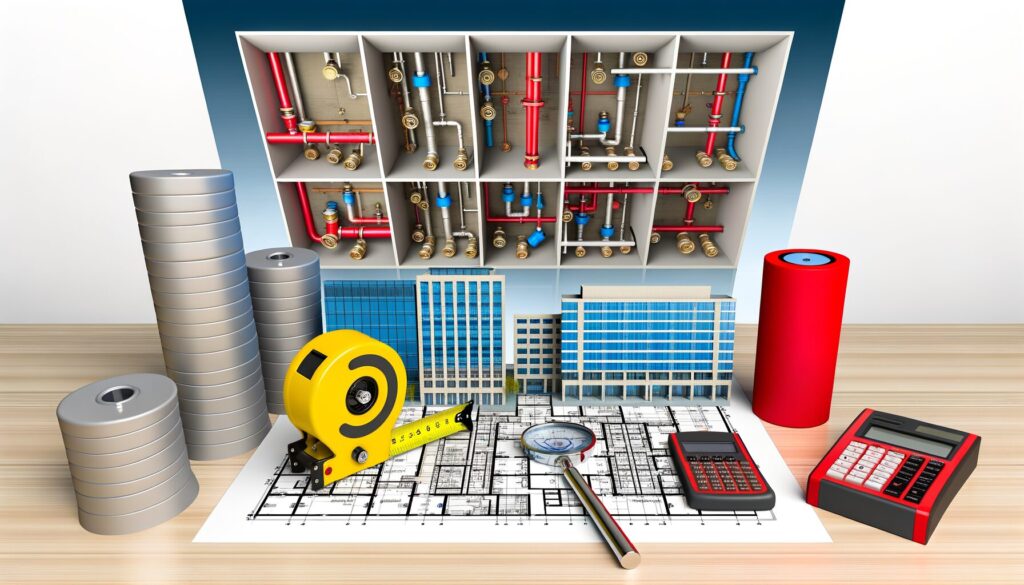

Designing Ventilation Systems for Commercial Kitchens

Designing Ventilation Systems for Commercial Kitchens

Designing Ventilation Systems for Commercial Kitchens Commercial kitchens place some of the most demanding loads on a building’s mechanical systems. Heat, grease-laden vapours, smoke, combustion products, and odours must be captured and exhausted reliably—without creating uncomfortable dining spaces, negative pressure issues, or excessive energy use. In Ontario, kitchen ventilation design must also align with applicable […]

Designing Ventilation Systems for Commercial Kitchens Read More »
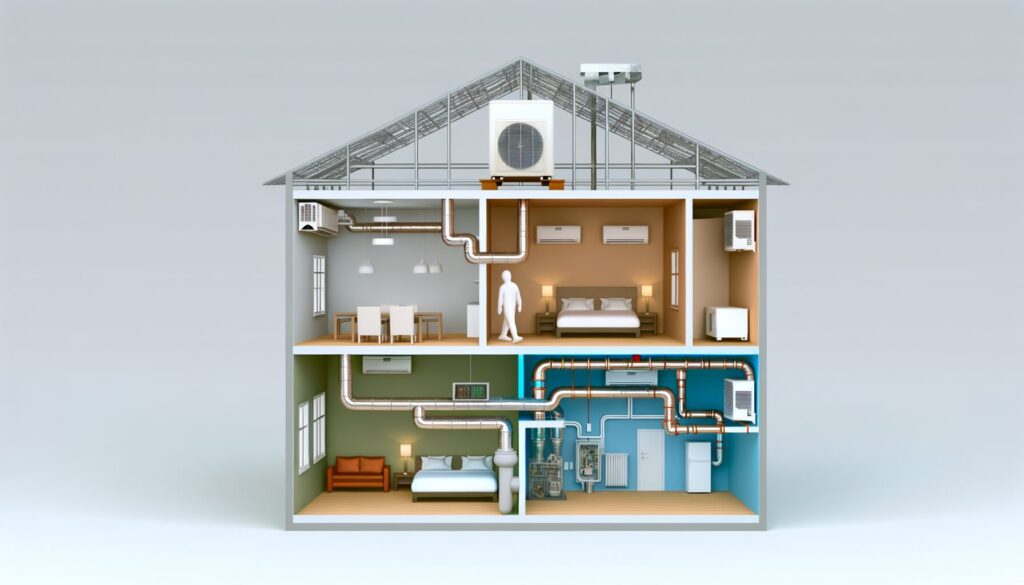
HVAC Load Calculation for Residential Spaces

HVAC Load Calculation for Residential Spaces

HVAC Load Calculation for Residential Spaces Choosing heating and cooling equipment for a home is not simply a matter of square footage or matching what was installed previously. In Ontario’s climate—where winter design temperatures can be severe and summer humidity can be significant—residential HVAC performance depends on a disciplined load calculation that considers the building

HVAC Load Calculation for Residential Spaces Read More »

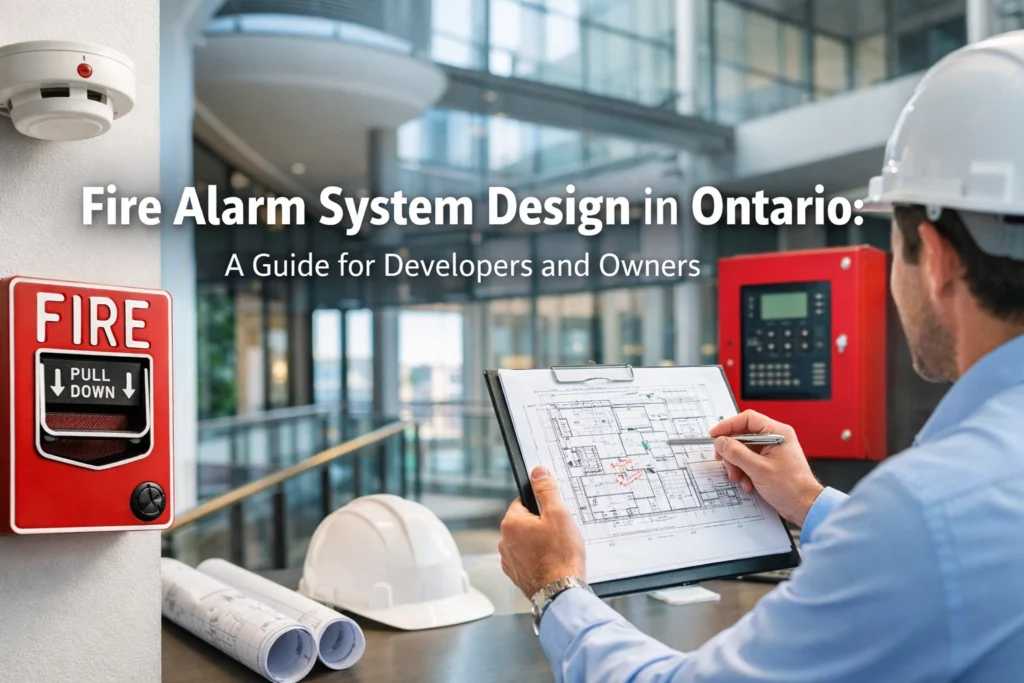
Fire Alarm System Design in Ontario: A Guide for Developers and Owners

Introduction Fire alarm system design represents a critical component of building safety and code compliance in Ontario. For developers, building owners, and general contractors, understanding the regulatory requirements and design considerations can prevent costly delays, failed inspections, and operational issues. This guide examines the essential aspects of fire alarm system design within Ontario's regulatory framework,

Fire Alarm System Design in Ontario: A Guide for Developers and Owners Read More »

Addressable vs Conventional Fire Alarm Systems

Addressable vs Conventional Fire Alarm Systems

Addressable vs. Conventional Fire Alarm Systems: Key Differences for Ontario Projects Selecting the right fire alarm system is a foundational decision in the life-safety design of any building. Whether you are planning a new development, renovating an existing facility, or upgrading aging equipment, the choice between an addressable and a conventional (zone-based) fire alarm system

Addressable vs Conventional Fire Alarm Systems Read More »

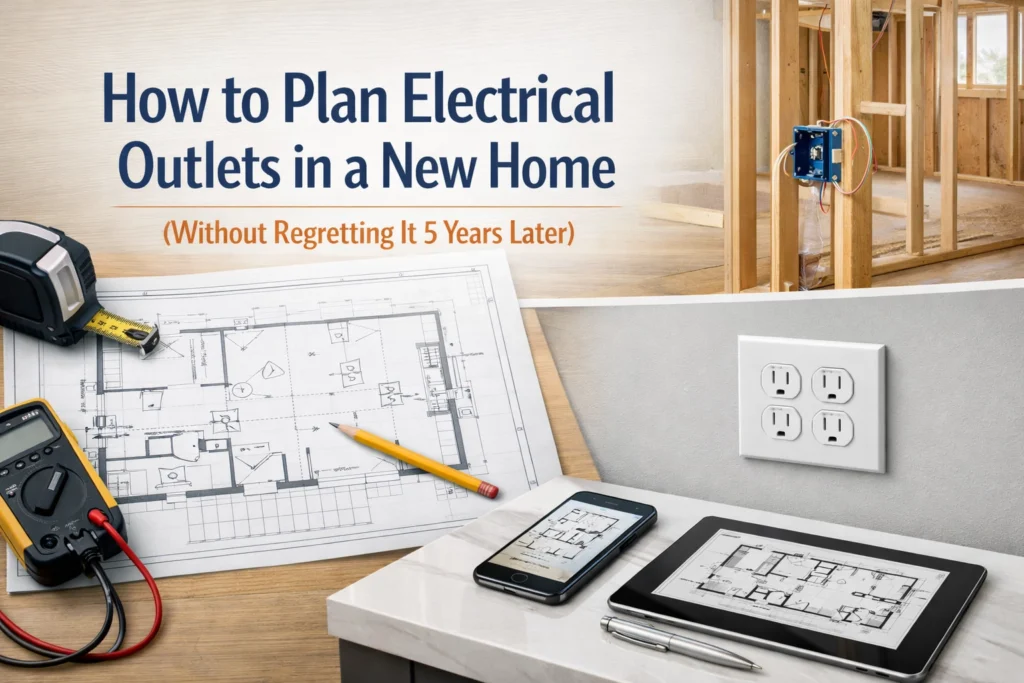
How to Plan Electrical Outlets in a New Home (Without Regretting It 5 Years Later)

Introduction Electrical outlet placement represents one of the most overlooked aspects of new home construction. Homeowners frequently discover years after moving in that outlets are poorly positioned, insufficient in number, or incompatible with modern technology demands. Strategic outlet planning during the design phase prevents costly retrofits and ensures the electrical system accommodates both current needs

How to Plan Electrical Outlets in a New Home (Without Regretting It 5 Years Later) Read More »

Smoke Detectors vs Heat Detectors: When to Use Each

Smoke Detectors vs Heat Detectors: When to Use Each

Smoke Detectors vs Heat Detectors: When to Use Each Choosing the right fire detection devices is not just a product decision—it is a life safety and code compliance decision that affects permitting, commissioning, and long-term building operations. In Ontario, property owners, developers, architects, and contractors must consider the Ontario Building Code (OBC), applicable standards (such

Smoke Detectors vs Heat Detectors: When to Use Each Read More »

Choosing the Right Panelboard for Commercial Spaces

Choosing the Right Panelboard for Commercial Spaces

Understanding Panelboards in Commercial Electrical Distribution In commercial buildings, the panelboard is a central element of the electrical distribution system—responsible for receiving feeder power and distributing it safely to branch circuits that serve lighting, receptacles, HVAC equipment, tenant loads, and specialty systems. Selecting the right panelboard for a project in Ontario is not simply a

Choosing the Right Panelboard for Commercial Spaces Read More »

How to Size Sprinkler Systems for Commercial Projects

How to Size Sprinkler Systems for Commercial Projects

When it comes to designing fire protection systems for commercial projects, sizing sprinkler systems correctly is crucial to ensure the safety of the building occupants and protect the property. In Ontario, Canada, where regulations and building codes are stringent, understanding the requirements for sizing sprinkler systems is essential for property owners, developers, architects, and contractors.

How to Size Sprinkler Systems for Commercial Projects Read More »

Emergency Power Solutions for Commercial Spaces

In today’s fast-paced business environment, maintaining continuous power is crucial for commercial spaces. Power outages can lead to significant financial losses, disrupt operations, and compromise safety. Therefore, having reliable emergency power solutions is essential. This blog post explores various emergency power options for commercial spaces, ensuring businesses remain operational during unexpected power interruptions. 1. Uninterruptible Power

Emergency Power Solutions for Commercial Spaces Read More »

Energy-Efficient Commercial Lighting Systems and Controls: Illuminating the Path to Sustainability

Commercial lighting systems account for a significant portion of a building’s energy consumption, with lighting alone responsible for up to 40% of a building’s total energy usage. As businesses and organizations strive to reduce their environmental footprint and lower their energy costs, energy-efficient commercial lighting systems and controls have become essential components of sustainable building

Energy-Efficient Commercial Lighting Systems and Controls: Illuminating the Path to Sustainability Read More »