
HVAC Design in Ontario: Why Getting It Right Matters for Your Building’s Future

Introduction Heating, Ventilation, and Air Conditioning (HVAC) systems represent the mechanical core of any modern structure. In Ontario, where seasonal temperature fluctuations can span over 60 degrees Celsius between the height of summer and the depths of winter, the design of these systems is a critical factor in building viability. A well-engineered HVAC system does […]

HVAC Design in Ontario: Why Getting It Right Matters for Your Building’s Future Read More »
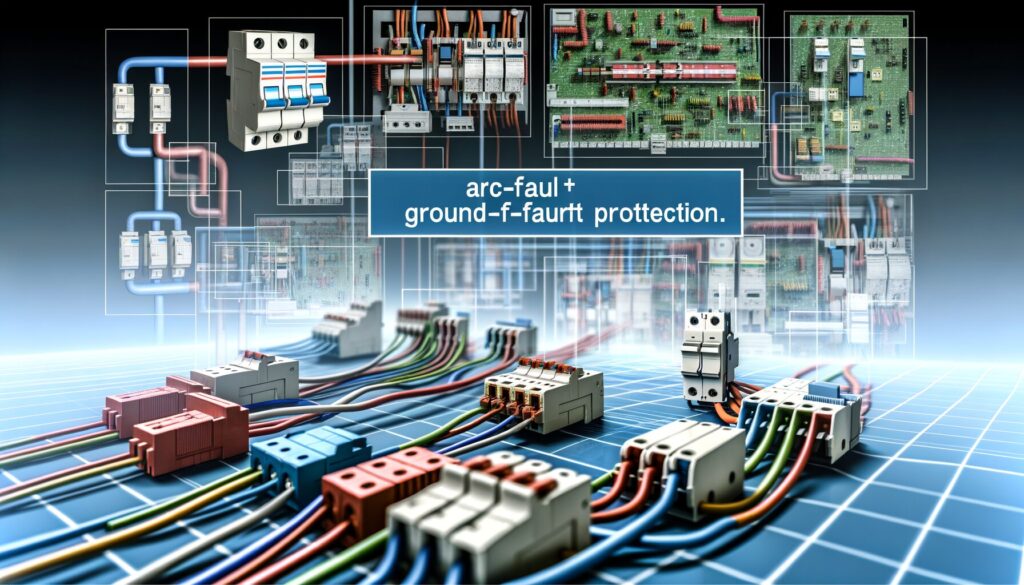
Understanding Arc-Fault & Ground-Fault Protection

Understanding Arc-Fault & Ground-Fault Protection

Understanding Arc-Fault & Ground-Fault Protection Electrical protection devices are often discussed in terms of “code requirements,” but for property owners, developers, architects, and contractors, the bigger picture is risk management. In Ontario, arc-fault and ground-fault protection are key safeguards that reduce the likelihood of electrical fires, electric shock, and costly disruptions during construction, commissioning, and

Understanding Arc-Fault & Ground-Fault Protection Read More »

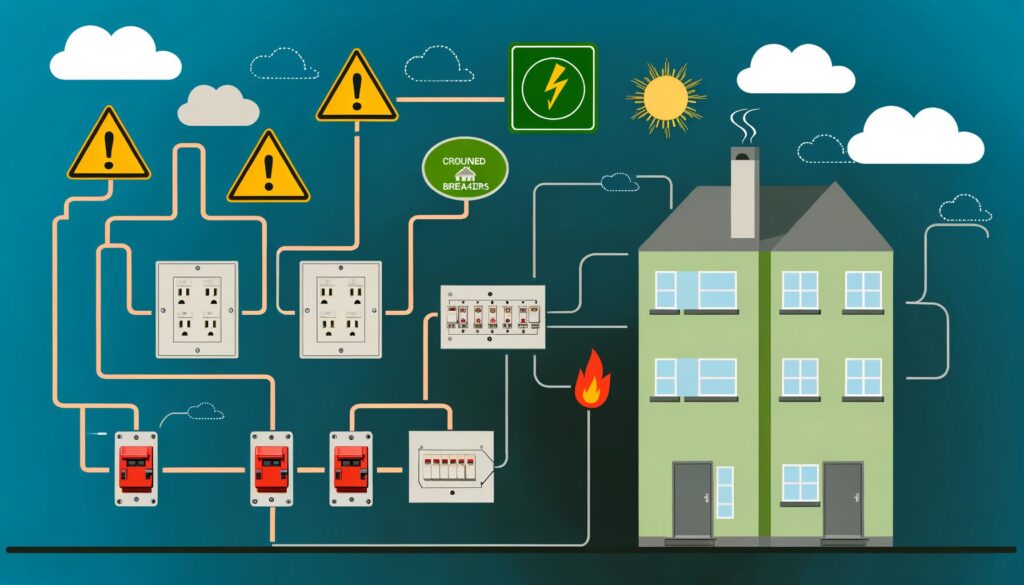
Electrical Safety Requirements for Multi-Unit Buildings

Electrical Safety Requirements for Multi-Unit Buildings

Why Electrical Safety Matters in Multi-Unit Buildings Multi-unit residential buildings—such as condominiums, purpose-built rentals, townhomes with shared services, and mixed-use developments—present distinct electrical safety challenges. They combine high occupant density, complex distribution systems, shared life safety equipment, and a broad range of electrical loads that evolve over time. In Ontario, electrical safety is not only

Electrical Safety Requirements for Multi-Unit Buildings Read More »

How to Read and Understand Sprinkler Shop Drawings

How to Read and Understand Sprinkler Shop Drawings

How to Read and Understand Sprinkler Shop Drawings Sprinkler shop drawings are the working documents that translate a building’s fire protection design intent into an installable system. For projects in Ontario, these drawings play a central role in coordinating with architectural layouts, structural elements, mechanical/electrical systems, and applicable code requirements—most commonly the Ontario Building Code

How to Read and Understand Sprinkler Shop Drawings Read More »

The Power of Precision: Why an Electrical Load List is Your Project’s Most Important Document

Introduction In the field of mechanical, electrical, and plumbing (MEP) engineering, the electrical load list stands as the primary technical foundation for any building project. This document provides a detailed accounting of all electrical components within a facility, ranging from the smallest lighting fixture to the largest industrial HVAC unit. For commercial properties, where power

The Power of Precision: Why an Electrical Load List is Your Project’s Most Important Document Read More »

Sprinkler System Design Mistakes to Avoid

Sprinkler System Design Mistakes to Avoid

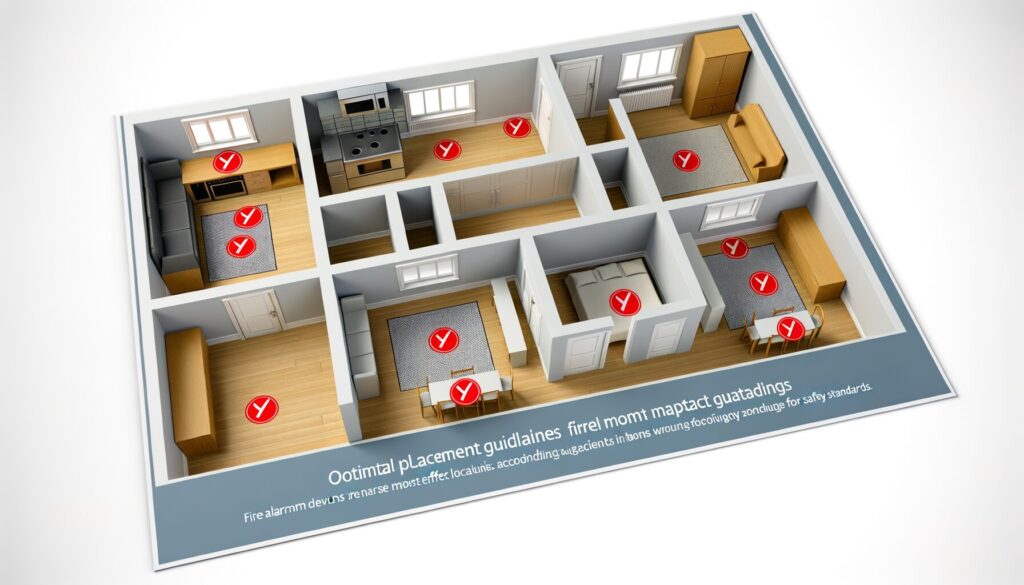
Sprinkler System Design Mistakes to Avoid Automatic sprinkler systems are among the most effective life safety features in a building, but their performance depends heavily on sound design and clear coordination across disciplines. In Ontario, sprinkler design is often reviewed alongside building code requirements, NFPA standards, fire department access considerations, and municipal servicing constraints. When

Sprinkler System Design Mistakes to Avoid Read More »

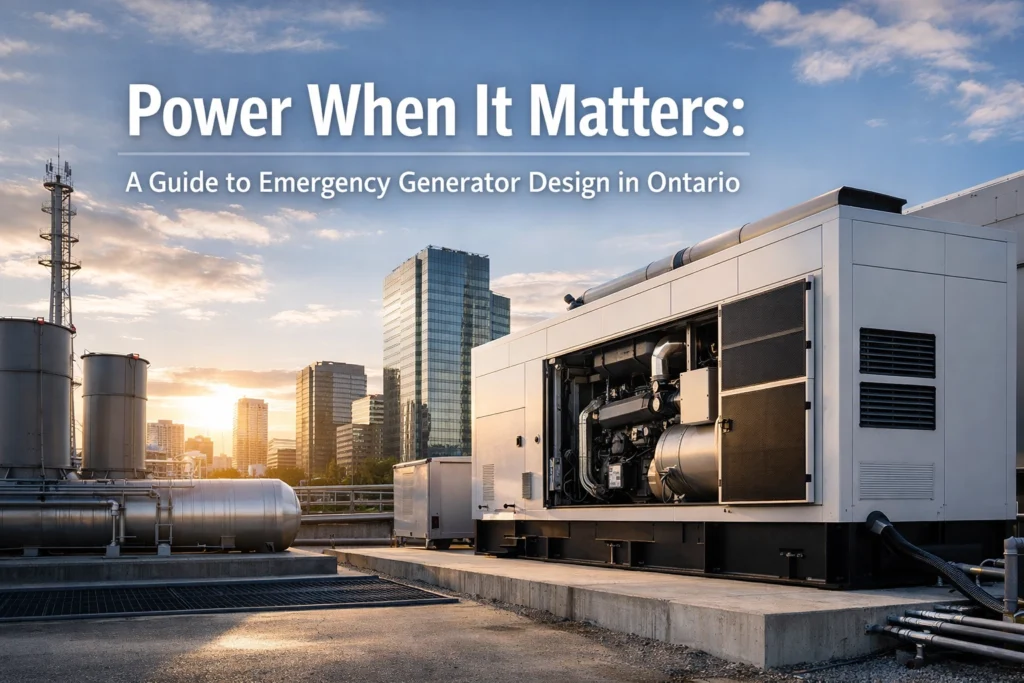
Power When It Matters: A Guide to Emergency Generator Design in Ontario

Introduction In the province of Ontario, emergency power systems are not merely a convenience but a critical component of building infrastructure required by law for specific occupancies. The design and implementation of emergency generator systems serve two primary functions: the preservation of life safety and the maintenance of business continuity. When the primary utility grid

Power When It Matters: A Guide to Emergency Generator Design in Ontario Read More »

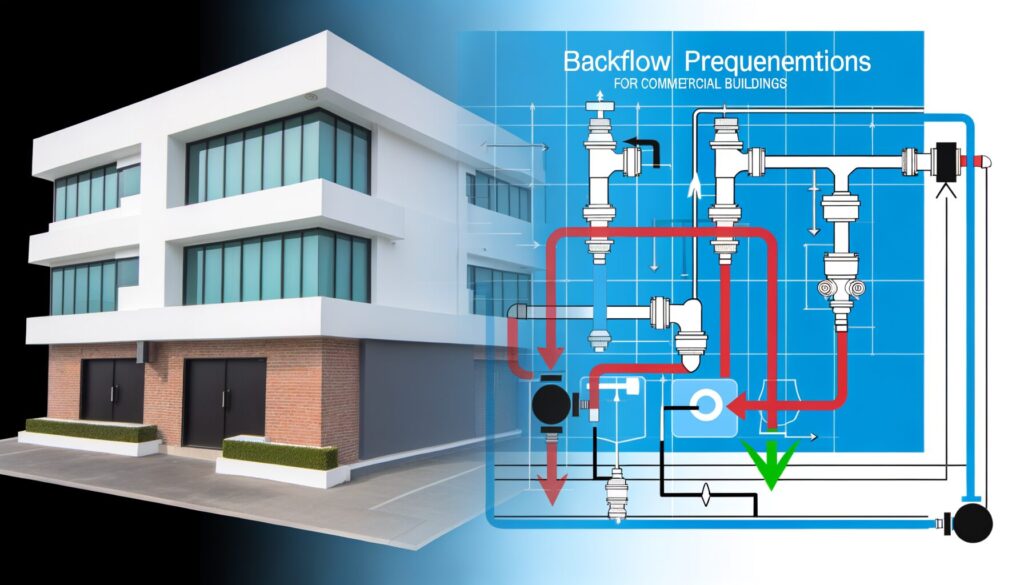
Backflow Prevention Requirements for Commercial Buildings

Backflow Prevention Requirements for Commercial Buildings

Backflow Prevention Requirements for Commercial Buildings In commercial and institutional buildings, plumbing systems must protect the municipal drinking water supply from contamination. Backflow occurs when water flows in the reverse direction—allowing non-potable water, chemicals, or other contaminants to enter the potable system. In Ontario, backflow prevention is managed through a combination of municipal by-laws, the

Backflow Prevention Requirements for Commercial Buildings Read More »

Plumbing Code Violations to Avoid in Residential Projects

Plumbing Code Violations to Avoid in Residential Projects

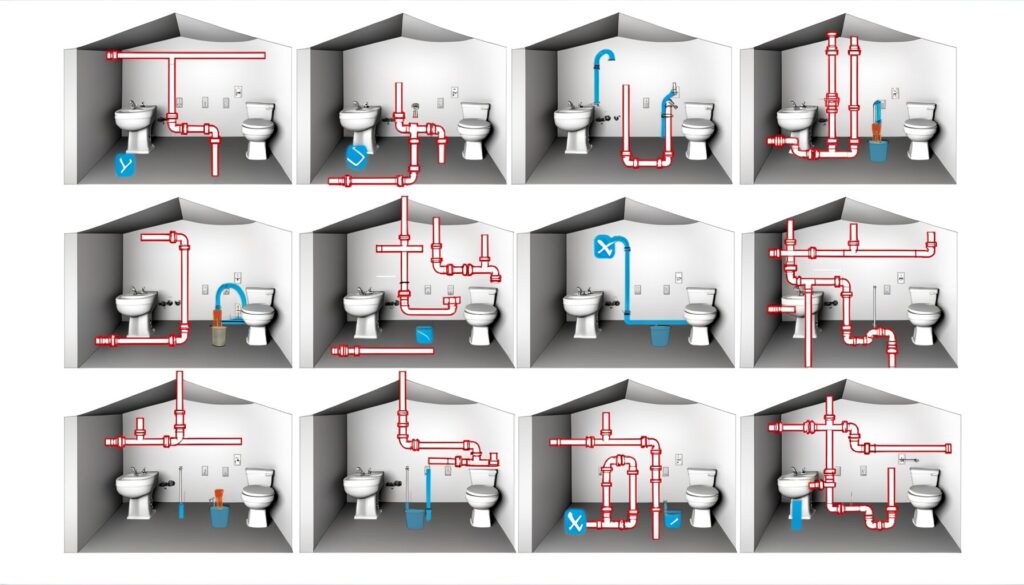
Plumbing Code Violations to Avoid in Residential Projects Plumbing deficiencies are among the most common triggers for inspection delays, costly rework, and occupant complaints in residential construction and renovations. In Ontario, residential plumbing must comply with the Ontario Building Code (OBC) and applicable referenced standards, and it must also integrate properly with architectural intent and

Plumbing Code Violations to Avoid in Residential Projects Read More »